

Lesiones en los tejidos blandos tras un accidente automovilístico
Las lesiones de tejidos blandos tras un accidente automovilístico pueden afectar a los músculos, ligamentos, tendones y tejido conectivo, provocando dolor, hinchazón, rigidez y síntomas tardíos que pueden empeorar si no se tratan adecuadamente.

Premier Injury Clinics of DFW ofrece evaluaciones especializadas en accidentes, servicios de rehabilitación y asistencia con el transporte a pacientes que sufren lesiones de tejidos blandos tras un choque.
¿Qué es una lesión de tejidos blandos tras un accidente automovilístico?
Una lesión de tejidos blandos tras un accidente automovilístico se produce cuando los músculos, ligamentos, tendones o tejidos conectivos sufren un estiramiento, una distensión, un hematoma o una inflamación durante el choque. Estas lesiones son frecuentes porque el cuerpo puede verse empujado hacia adelante, hacia atrás o hacia los lados de forma repentina, incluso en una colisión que a primera vista no parezca grave.
Las lesiones en los tejidos blandos pueden afectar a la cuello, espalda, hombros, rodillas, las caderas, los brazos y otras partes del cuerpo. A diferencia de una fractura ósea, las lesiones de los tejidos blandos no siempre se notan de inmediato y es posible que no se vean claramente en una radiografía estándar. Eso no significa que la lesión sea leve.
En Premier Injury Clinics of DFW, nuestros profesionales evalúan las lesiones de tejidos blandos relacionadas con accidentes, el dolor tardío, la rigidez, los problemas de movilidad y los síntomas que aparecen tras una colisión. El tratamiento puede incluir un programa estructurado tratamiento de lesiones por accidentes automovilísticos, terapia de rehabilitación, terapias pasivas y apoyo para la recuperación, diseñadas para ayudar a los pacientes a recuperarse de forma segura tras un accidente.
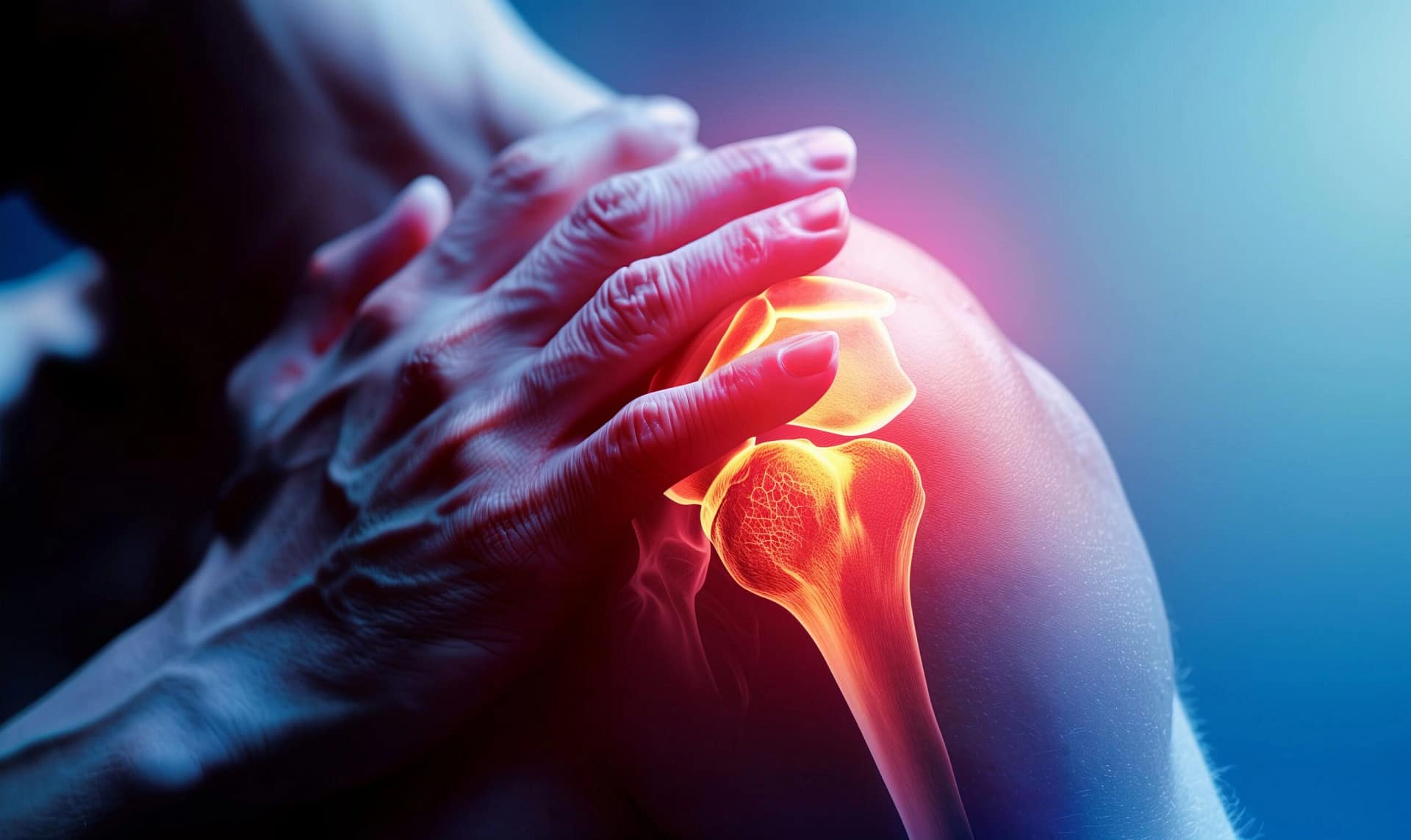
Tipos comunes de lesiones en los tejidos blandos tras un accidente
Las lesiones de tejidos blandos tras un accidente pueden presentar síntomas y sensaciones diferentes según la fuerza del impacto, la zona del cuerpo que absorbió la presión y el movimiento de los músculos y las articulaciones durante la colisión. Algunas lesiones se manifiestan inicialmente como dolor muscular, mientras que otras provocan hinchazón, rigidez, debilidad o dolor agudo al moverse.
Entre los tipos más comunes de lesiones en los tejidos blandos tras un accidente automovilístico se pueden incluir:
- Esguinces que implica un esguince o desgarro de los ligamentos que rodean una articulación
- Variedades que implique una distensión de músculos o tendones
- Contusiones o hematomas profundos causados por un golpe contundente
- Latigazo cervical que implica lesiones en los tejidos blandos del cuello y la parte superior de la espalda
- Irritación de los tendones que causa dolor al moverse
- Lesiones de ligamentos que puedan afectar a la estabilidad de la articulación
- Desgarros musculares desde una distensión leve hasta lesiones tisulares más graves
- Inflamación alrededor de los músculos, tendones o tejidos conectivos lesionados
Dado que las lesiones de los tejidos blandos pueden afectar al movimiento y volverse más dolorosas con el tiempo, una evaluación temprana puede ayudar a identificar la lesión y a iniciar el plan de recuperación adecuado antes de que los síntomas empeoren.
Por qué el dolor en los tejidos blandos puede aparecer horas o días después de un accidente
El dolor en los tejidos blandos puede aparecer horas o días después de un accidente automovilístico, ya que la respuesta inicial del cuerpo al estrés puede ocultar el dolor inmediatamente después del choque. La adrenalina puede hacer que una persona se sienta “bien” en el lugar del accidente, incluso cuando los músculos, ligamentos, tendones o tejidos conectivos han sufrido distensiones o lesiones.
A medida que el cuerpo comienza a recuperarse, puede producirse inflamación e hinchazón alrededor de los tejidos lesionados. Es en este momento cuando el dolor, la rigidez, la tensión muscular, los dolores de cabeza, el dolor de espalda, el dolor de hombros o la limitación de movimiento pueden hacerse más evidentes.
El dolor tardío en los tejidos blandos tras un accidente automovilístico puede incluir:
- Dolor que se intensifica al día siguiente
- Rigidez después de dormir o estar sentado
- Dolor al girar, agacharse, levantar objetos o caminar
- Espasmos o tensión muscular
- Hinchazón o sensibilidad alrededor de la zona lesionada
- Síntomas que se van haciendo más evidentes a lo largo de varios días
Dado que es habitual que los síntomas aparezcan de forma tardía tras un accidente, no se debe ignorar el dolor que surja más adelante. Una evaluación temprana puede ayudar a identificar lesiones ocultas en los tejidos blandos y evitar que los síntomas interfieran en el movimiento normal y la recuperación.
Síntomas comunes de lesiones en los tejidos blandos tras un choque
Los síntomas de las lesiones en los tejidos blandos tras un accidente automovilístico pueden variar según la ubicación de la lesión, la gravedad del daño tisular y la forma en que el cuerpo reacciona durante las horas y los días posteriores a la colisión. Algunos síntomas son inmediatos, mientras que otros se hacen más evidentes a medida que aumentan la inflamación y la hinchazón.
Los síntomas comunes de las lesiones en los tejidos blandos tras un choque pueden incluir:
- Dolor en la zona lesionada, que puede sentirse como un dolor agudo, sordo o punzante
- Hinchazón provocado por la inflamación alrededor de los tejidos dañados
- Hematomas o decoloración debida a daños en los tejidos causados por un impacto
- Rigidez que hace que el movimiento resulte incómodo o limitado
- Reducción de la amplitud de movimiento en las articulaciones, los músculos o las partes del cuerpo lesionadas
- Espasmos musculares o tensión muscular tras una lesión
- Debilidad cuando los músculos o los tejidos de soporte no funcionan con normalidad
- Ternura cuando se aplica presión sobre la zona lesionada
- Entumecimiento u hormigueo si la hinchazón o la inflamación afectan a los nervios cercanos
- Dolor al moverse al caminar, levantar objetos, agacharse, girar o realizar actividades cotidianas
Si los síntomas de una lesión en los tejidos blandos persisten, empeoran o dificultan el movimiento, una evaluación puede ayudar a identificar la causa y comenzar el tratamiento antes de que la lesión se vuelva más difícil de tratar.
Zonas en las que suelen producirse lesiones en los tejidos blandos tras un accidente automovilístico
Las lesiones de los tejidos blandos pueden afectar a casi cualquier parte del cuerpo tras una colisión, dependiendo de cómo se movió el cuerpo durante el impacto y dónde se absorbió la fuerza. Las sacudidas repentinas, las torsiones, los golpes contundentes y la presión del cinturón de seguridad pueden contribuir a provocar lesiones en los músculos, ligamentos, tendones y tejidos conectivos de múltiples partes del cuerpo.
Entre las zonas más comunes en las que se producen lesiones en los tejidos blandos tras un accidente automovilístico se encuentran:
- Cuello de latigazo cervical, distensión muscular y esguince ligamentario
- Hombros por la fuerza del cinturón de seguridad, un impacto o un movimiento brusco del brazo
- Volver incluidas las distensiones o inflamaciones en la parte superior, media e inferior de la espalda
- Rodillas por el impacto contra el tablero o por la torsión durante el choque
- Caderas por la presión del asiento, la rotación o los choques laterales
- Armas por el esfuerzo realizado al resistir un impacto o un movimiento brusco
- Pecho incluidos hematomas por el cinturón de seguridad, dolor o inflamación de los tejidos blandos
- Piernas incluidas las distensiones, los hematomas o los traumatismos de los tejidos blandos causados por un impacto
Dado que en una misma colisión pueden verse afectadas varias partes del cuerpo, una evaluación exhaustiva puede ayudar a identificar lesiones que quizá no sean evidentes de inmediato.
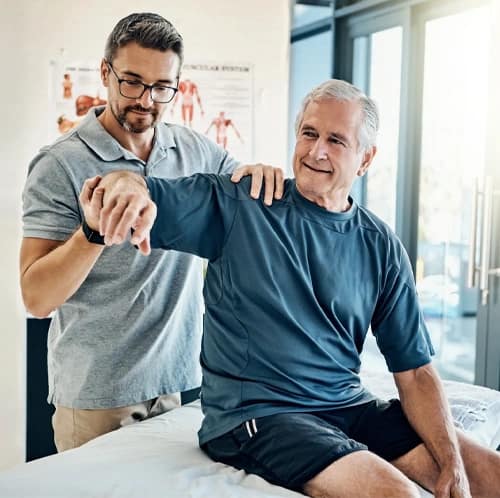
Cómo se diagnostican las lesiones de tejidos blandos tras un accidente
El diagnóstico de una lesión de tejidos blandos tras un accidente automovilístico suele implicar algo más que una simple revisión para detectar fracturas óseas. Muchas lesiones de tejidos blandos afectan a músculos, tendones, ligamentos y tejidos conectivos que pueden no apreciarse con claridad en una radiografía estándar.
Durante una evaluación, los profesionales pueden evaluar:
- Hinchazón y una inflamación visible alrededor de la zona lesionada
- Ternura o dolor al tocar o examinar la zona
- Amplitud de movimiento para detectar rigidez o limitaciones de movimiento
- Fuerza para detectar debilidad o disfunción muscular
- Estabilidad articular si se sospecha una lesión de ligamentos
- Patrones de hematomas o daño tisular causado por un impacto
- Síntomas nerviosos como entumecimiento, hormigueo o dolor irradiado
- Necesidades de pruebas de diagnóstico por imágenes o derivaciones si procede realizar pruebas adicionales
Aunque las radiografías pueden ayudar a descartar fracturas, no siempre permiten visualizar bien las lesiones de los tejidos blandos. En algunos casos, puede ser necesario realizar más pruebas, llevar a cabo un seguimiento o derivar al paciente a otro especialista para comprender mejor la lesión y orientar el tratamiento.
Tratamiento de las lesiones de tejidos blandos tras un accidente automovilístico
El tratamiento de las lesiones de tejidos blandos tras un accidente automovilístico depende del tipo de lesión, la gravedad de los síntomas y cómo responde el cuerpo durante la recuperación. El tratamiento temprano puede ayudar a reducir la inflamación, mejorar la movilidad y disminuir el riesgo de dolor o rigidez persistentes.
Los posibles tratamientos para las lesiones de tejidos blandos tras un accidente automovilístico pueden incluir:
- Control de la inflamación para ayudar a reducir la hinchazón y las molestias
- Terapias pasivas que favorecen la recuperación de los tejidos blandos y el alivio del dolor
- Terapia de rehabilitación centrado en el movimiento, la funcionalidad y la recuperación
- Trabajo en materia de movilidad para mejorar la amplitud de movimiento y reducir la rigidez
- Apoyo para la recuperación de los tejidos blandos en función del tipo de lesión y los síntomas
- Ejercicios de fortalecimiento para favorecer la recuperación y la estabilidad articular
- Orientación sobre actividades para ayudar a los pacientes a evitar nuevas lesiones durante la recuperación
- Derivaciones, si fuera necesario cuando sea necesario realizar pruebas complementarias o recibir atención especializada
En Premier Injury Clinics of DFW, los planes de tratamiento se basan en las lesiones, los síntomas y los objetivos de recuperación de cada paciente tras un accidente. El objetivo es favorecer la curación, mejorar la funcionalidad y ayudar a los pacientes a retomar sus actividades habituales de la forma más segura posible.
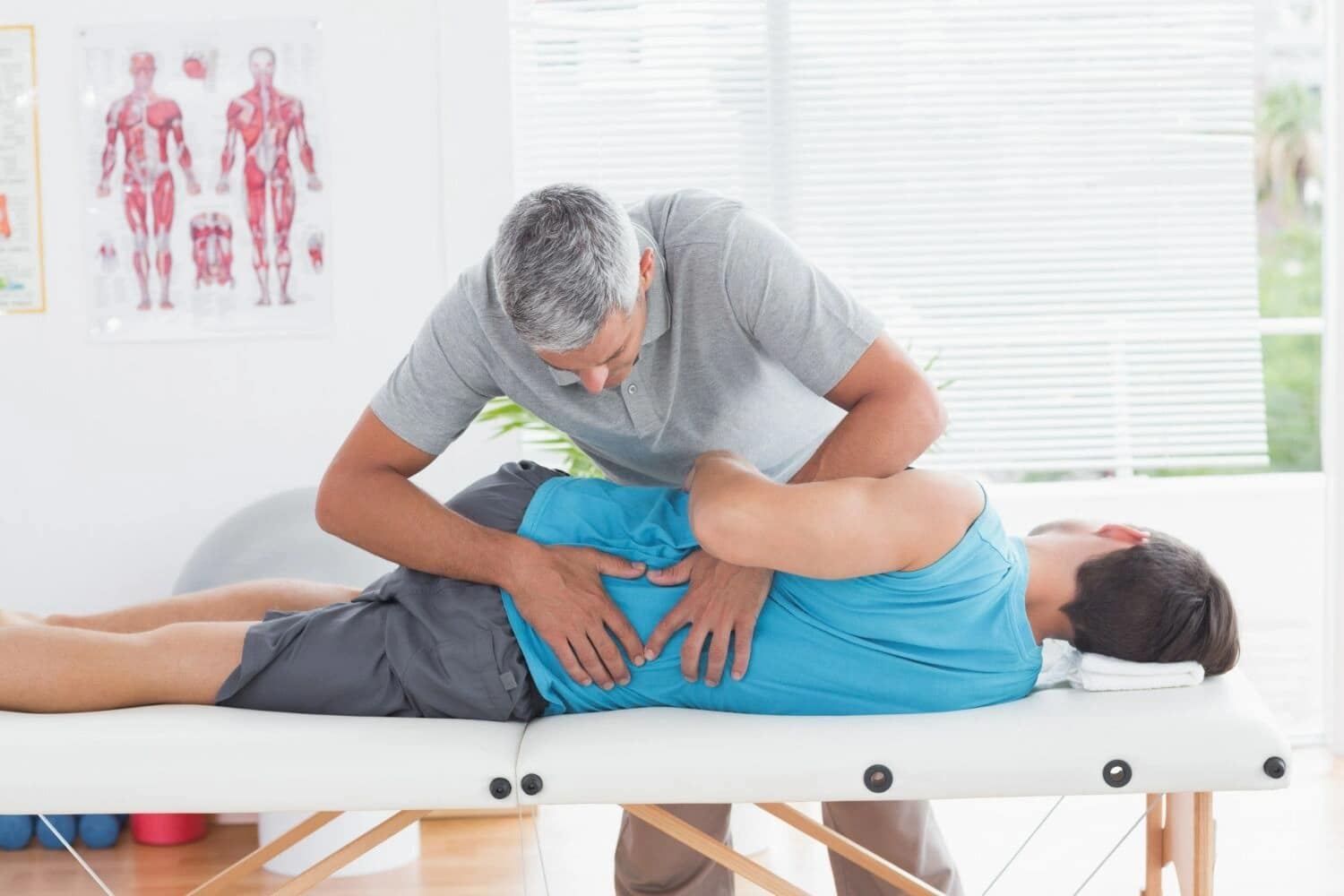
¿Cuánto tiempo tarda en curarse una lesión de tejidos blandos tras un accidente automovilístico?
El tiempo de recuperación de las lesiones de tejidos blandos tras un accidente automovilístico depende del tipo de lesión, del alcance del daño tisular y de cómo responda el cuerpo durante el proceso de curación. Algunas lesiones mejoran en cuestión de semanas, mientras que otras pueden tardar más tiempo en curarse si se han visto afectados ligamentos, tendones, músculos o varias partes del cuerpo.
El tiempo de recuperación puede depender de factores como:
- Hematoma frente a desgarro – Una contusión leve puede curarse más rápido que una rotura de ligamentos o una lesión muscular
- Gravedad de la cepa – Las distensiones leves se recuperan de manera diferente a los daños tisulares más graves
- Afectación de los ligamentos – Los tejidos que sostienen las articulaciones pueden tardar más en estabilizarse
- Inflamación – La inflamación persistente puede ralentizar la recuperación y aumentar el dolor
- Irritación recurrente – La tensión continua sobre la zona lesionada puede retrasar la curación
- Tratamiento precoz – Una atención oportuna puede contribuir a una recuperación más rápida
- Varias zonas afectadas – Si hay más de una zona del cuerpo lesionada, el tiempo de recuperación puede prolongarse
Los plazos generales de recuperación pueden ser los siguientes:
- Lesiones leves de los tejidos blandos – puede mejorar en unas semanas con los cuidados adecuados
- Lesiones moderadas de los tejidos blandos – puede tardar entre varias semanas y unos meses, dependiendo de la lesión
- Lesiones más graves de los tejidos blandos – puede requerir un período de recuperación más prolongado, tratamiento adicional o la derivación a un especialista para una evaluación más exhaustiva
Dado que cada lesión es diferente, el tiempo de recuperación debe basarse en los síntomas, las limitaciones de movimiento y la respuesta del cuerpo durante el tratamiento, en lugar de limitarse a esperar a que el dolor “desaparezca”.”

¿Puede el daño en los tejidos blandos volverse crónico si no se trata?
Sí, las lesiones de los tejidos blandos pueden volverse más difíciles de tratar si se ignoran los síntomas o si la zona lesionada no se cura adecuadamente. Aunque algunas lesiones de los tejidos blandos mejoran con el tiempo, las lesiones no tratadas pueden provocar inflamación persistente, debilidad, rigidez y problemas de movilidad que afectan la vida cotidiana.
Cuando las lesiones de los tejidos blandos no se tratan adecuadamente, algunas personas pueden desarrollar:
- Dolor crónico que se prolonga mucho tiempo después del accidente inicial
- Rigidez que limita el movimiento normal
- Inestabilidad si los ligamentos o los tejidos de soporte lesionados no se recuperan adecuadamente
- Irritación nerviosa provocado por hinchazón, inflamación o tensión en los tejidos
- Movilidad reducida al caminar, levantar objetos, agacharse o realizar actividades cotidianas
- Patrones de remuneración cuando el cuerpo modifica sus movimientos para evitar el dolor
- Debilidad en los músculos o las articulaciones afectados por una lesión
- Recidivas recurrentes cuando los síntomas reaparecen durante la actividad cotidiana
En algunos casos, las lesiones de los tejidos blandos que no se tratan pueden afectar a las articulaciones, los músculos o los nervios cercanos, ya que el cuerpo comienza a compensar el dolor. Una evaluación y un tratamiento tempranos pueden ayudar a reducir el riesgo de que los síntomas persistan y favorecer una recuperación más segura.
¿Cuándo se debe acudir al médico por dolor en los tejidos blandos tras un accidente automovilístico?
No se debe ignorar el dolor en los tejidos blandos tras un accidente automovilístico simplemente porque el choque pareciera leve o los síntomas no se manifestaran de inmediato. Muchas lesiones en los tejidos blandos se vuelven más evidentes a medida que aumenta la inflamación, se limita el movimiento y el cuerpo comienza a reaccionar ante la lesión con el paso del tiempo.
Podría ser una buena idea que te hicieran una evaluación si tienes:
- Dolor que empeora en lugar de mejorar
- Dolor tardío que aparece horas o días después del choque
- Hinchazón alrededor de la zona lesionada
- Rigidez que afecta al movimiento
- Entumecimiento o sensaciones de hormigueo
- Debilidad en los músculos, las articulaciones o las zonas del cuerpo lesionadas
- Dolor al moverse durante las actividades cotidianas
- Síntomas que duran más de unos pocos días sin mejoras
En Premier Injury Clinics of DFW, nuestros profesionales evalúan el dolor en los tejidos blandos derivado de accidentes, los síntomas tardíos, los problemas de movilidad y los patrones de lesión que pueden no ser evidentes de inmediato. Una evaluación temprana puede ayudar a identificar la lesión y comenzar el tratamiento antes de que los síntomas empeoren.

Preguntas frecuentes Acerca de las lesiones de tejidos blandos después de un accidente automovilístico
¿Puede aparecer dolor en los tejidos blandos días después de un accidente automovilístico?
Sí. La inflamación, la hinchazón y la rigidez muscular pueden retrasar la aparición de los síntomas durante horas o días después de un choque.
¿Qué se considera una lesión de tejidos blandos tras un accidente automovilístico?
Las lesiones de tejidos blandos se refieren a daños en los músculos, tendones, ligamentos y tejidos conectivos, y no a fracturas óseas.
¿Cuánto tiempo tarda en curarse una lesión de tejidos blandos tras un accidente automovilístico?
La recuperación depende de la gravedad de la lesión y puede durar desde unas pocas semanas hasta varios meses.
¿Pueden ser graves las lesiones de tejidos blandos tras un accidente leve?
Sí. Incluso los choques a baja velocidad pueden provocar distensiones dolorosas, esguinces, latigazos cervicales y daños en los tejidos.
¿Cuáles son los síntomas de una lesión en los tejidos blandos tras un accidente automovilístico?
El dolor, la hinchazón, los moretones, la rigidez, la debilidad, la limitación de movimiento y el dolor tardío son síntomas comunes.
¿Se ven las lesiones de los tejidos blandos en las radiografías?
No siempre. Algunas lesiones de los tejidos blandos requieren un examen físico o pruebas de imagen adicionales para evaluarlas adecuadamente.
¿Las lesiones de tejidos blandos no tratadas pueden volverse crónicas?
Sí. Sin un tratamiento adecuado, algunas lesiones de los tejidos blandos pueden provocar dolor crónico, rigidez, debilidad o problemas de movilidad.
¿Debería ir al médico después de un accidente de auto leve si solo siento dolor?
Sí. El dolor tardío y las lesiones de los tejidos blandos pueden agravarse tras el choque inicial.
¿Necesitas atención médica tras un accidente de tráfico?
Premier Injury Clinics of DFW ofrece evaluaciones especializadas en accidentes,
atención quiropráctica, terapia de rehabilitación y apoyo para la recuperación en toda
el área de Dallas-Fort Worth.
Testimonios

Premier Injury Clinic; ¡¡¡realmente me atendieron muy bien con mi lesión!!! Y sin duda volveré a acudir a ellos. Son muy profesionales y el personal me encanta. ¡Son gente realmente buena, si me permito decirlo!
-Karl Holmes
Premier Injury Clinic; ¡¡¡realmente me atendieron muy bien con mi lesión!!! Y sin duda volveré a acudir a ellos. Son muy profesionales y el personal me encanta. ¡Son gente realmente buena, si me permito decirlo!
-Karl Holmes
Premier Injury Clinic; ¡¡¡realmente me atendieron muy bien con mi lesión!!! Y sin duda volveré a acudir a ellos. Son muy profesionales y el personal me encanta. ¡Son gente realmente buena, si me permito decirlo!