

Lesión medular Después de un accidente automovilístico: Síntomas, tratamiento y recuperación
Descubra qué puede provocar una lesión medular tras un accidente automovilístico, cuáles son los signos de alerta a los que hay que prestar atención, cómo se evalúa un traumatismo medular y cuándo se debe buscar atención médica inmediata.

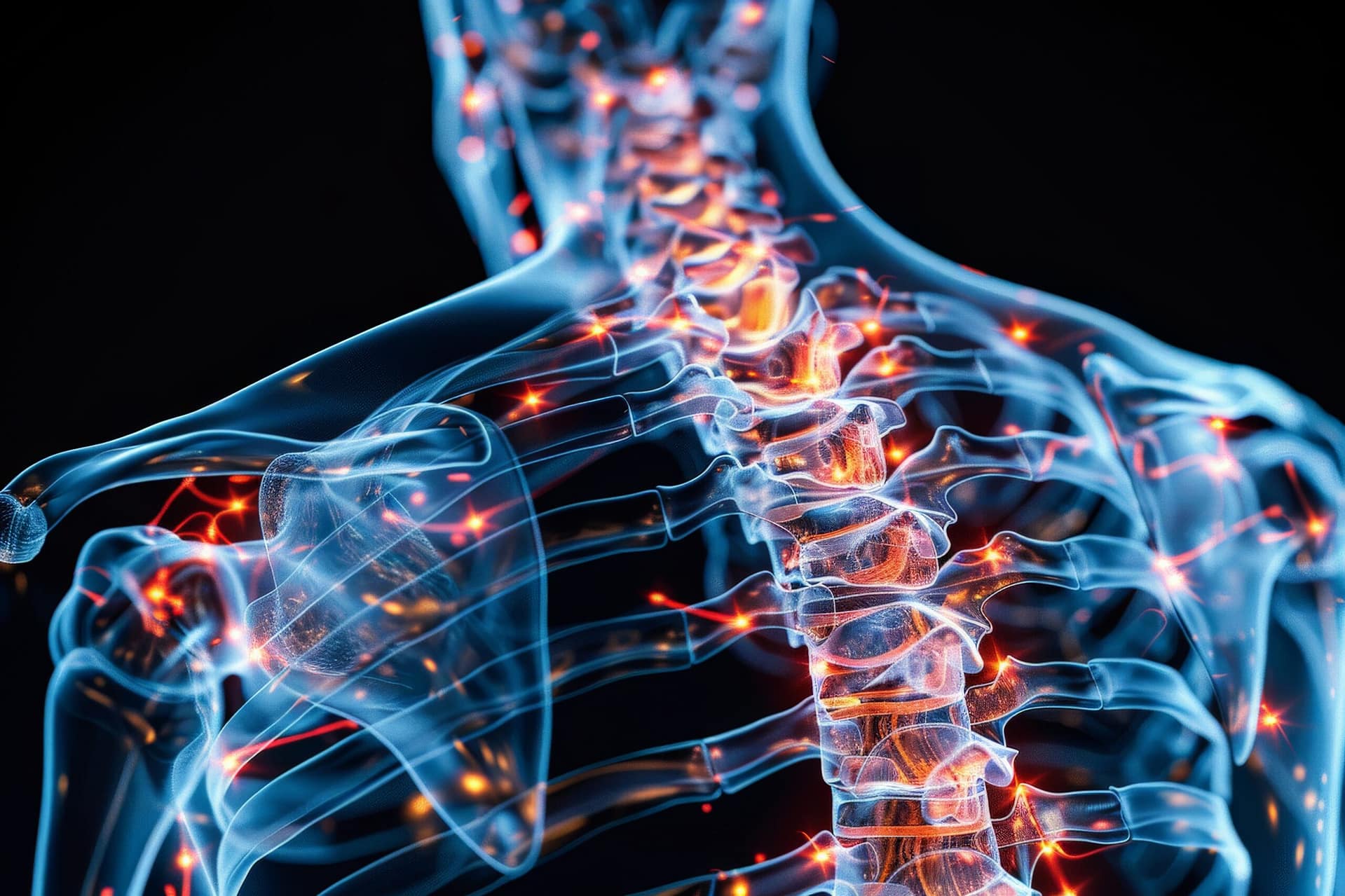
En Premier Injury Clinics of DFW, ayudamos a las víctimas de accidentes a recibir una evaluación inmediata, apoyo en el diagnóstico, planificación de la rehabilitación y cuidados para la recuperación tras el accidente cuando se sospecha de un traumatismo espinal.
¿Qué es una lesión medular tras un accidente automovilístico?
A lesión medular tras un accidente de tráfico Esto ocurre cuando un traumatismo daña la médula espinal o las estructuras que la rodean. Este tipo de lesión puede interferir en las señales nerviosas que se transmiten entre el cerebro y el resto del cuerpo, lo que afecta al movimiento, la sensibilidad y funciones corporales importantes.
Un traumatismo medular puede incluir lesiones tales como:
- Fracturas vertebrales
- Hernias discales
- Hinchazón o sangrado alrededor de la médula espinal
- Compresión espinal
- Traumatismo grave en el cuello o la espalda
- Fragmentos óseos desplazados tras el impacto
La médula espinal actúa como vía de comunicación del cuerpo, transmitiendo mensajes entre el cerebro y los músculos, los órganos y los nervios de todo el cuerpo. Cuando esa vía se ve interrumpida, la persona puede perder la capacidad de moverse con normalidad, la sensibilidad, los reflejos o el control de los órganos por debajo del lugar de la lesión. En casos graves, el daño en la médula espinal puede provocar una parálisis parcial o total.
Los accidentes automovilísticos son una de las principales causas de lesiones traumáticas de la médula espinal, ya que las fuerzas repentinas generadas por el choque pueden comprimir, fracturar, torcer o dañar la columna vertebral durante el impacto.
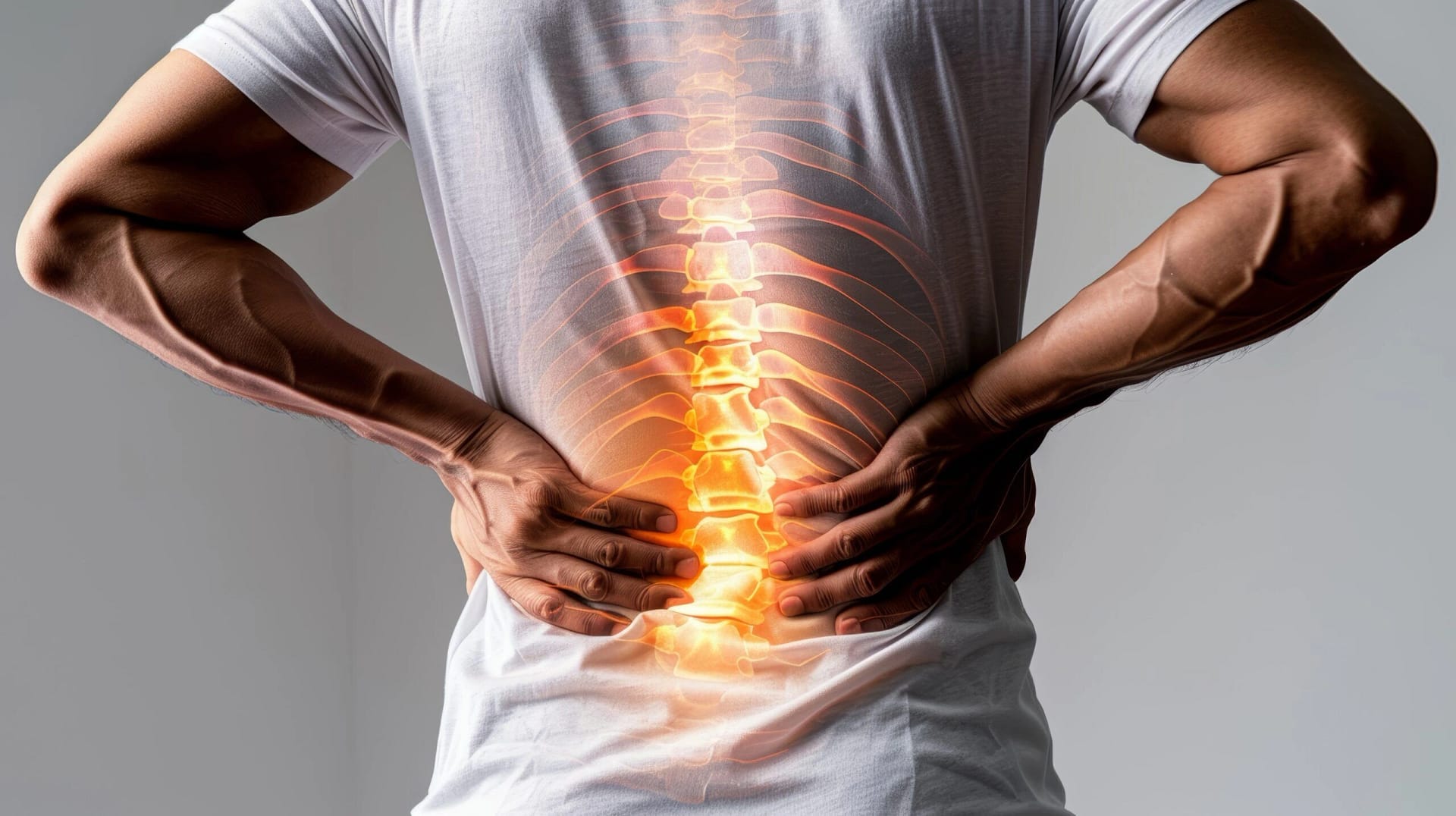
Síntomas de una lesión medular tras un accidente automovilístico
Algunas lesiones de la médula espinal se notan de inmediato después de un choque. Otras pueden empeorar con el paso de las horas, a medida que aumenta la hinchazón, la inflamación o la presión alrededor de la médula espinal. Dado que estas lesiones pueden afectar las vías nerviosas del cuerpo, nunca se deben ignorar los síntomas.
Los síntomas comunes de una lesión medular tras un accidente automovilístico pueden incluir:
- Dolor intenso de cuello o de espalda
- Entumecimiento u hormigueo en brazos o piernas
- Debilidad en las manos, los brazos, las piernas o los pies
- Pérdida de coordinación
- Dificultad para caminar
- Dolor nervioso ardiente
- Pérdida de sensibilidad
- Espasmos musculares
- Pérdida del control de la vejiga o los intestinos
- Dificultad para respirar
- Parálisis repentina o pérdida de movilidad
Nunca se deben ignorar los signos de alerta de emergencia. Una debilidad repentina, entumecimiento, pérdida del equilibrio, cambios en la función de la vejiga o los intestinos, o pérdida de movilidad pueden indicar una lesión grave en la columna vertebral que requiera atención médica de emergencia inmediata.
Cómo un accidente automovilístico puede provocar una lesión en la médula espinal
Un accidente automovilístico puede ejercer una fuerza enorme sobre la columna vertebral en una fracción de segundo. Dependiendo de la dirección y la gravedad del impacto, esa fuerza puede dañar directamente la médula espinal o lesionar los huesos, los discos y los tejidos que la protegen.
Entre las causas más comunes de lesiones medulares relacionadas con accidentes se incluyen:
Fracturas vertebrales
Las fracturas de las vértebras pueden desplazar las vértebras de su posición y dañar la médula espinal o los nervios cercanos.
Hernias discales
Un traumatismo por accidente puede desplazar los discos vertebrales, lo que provoca presión sobre los nervios cercanos o la médula espinal.
Compresión espinal
La inflamación, el sangrado o el desplazamiento de tejido pueden ejercer una presión peligrosa sobre la médula espinal e interferir en la función nerviosa.
Hiperextensión cervical (Lesión cervical grave por latigazo)
Un movimiento brusco hacia adelante y hacia atrás puede lesionar la columna cervical y las estructuras nerviosas circundantes durante el impacto.
Volcamientos o colisiones de alto impacto
Estos accidentes conllevan un mayor riesgo de traumatismos espinales graves debido a la fuerza de rotación, las lesiones por compresión y la intrusión importante del vehículo.
Incluso los choques a baja velocidad pueden provocar a veces lesiones graves en la columna vertebral, dependiendo de factores como:
- Postura del cuerpo durante el impacto
- Ángulo de colisión
- Funcionamiento del cinturón de seguridad
- Degeneración espinal preexistente
- Intrusión en el vehículo
- Fuerza de vuelco
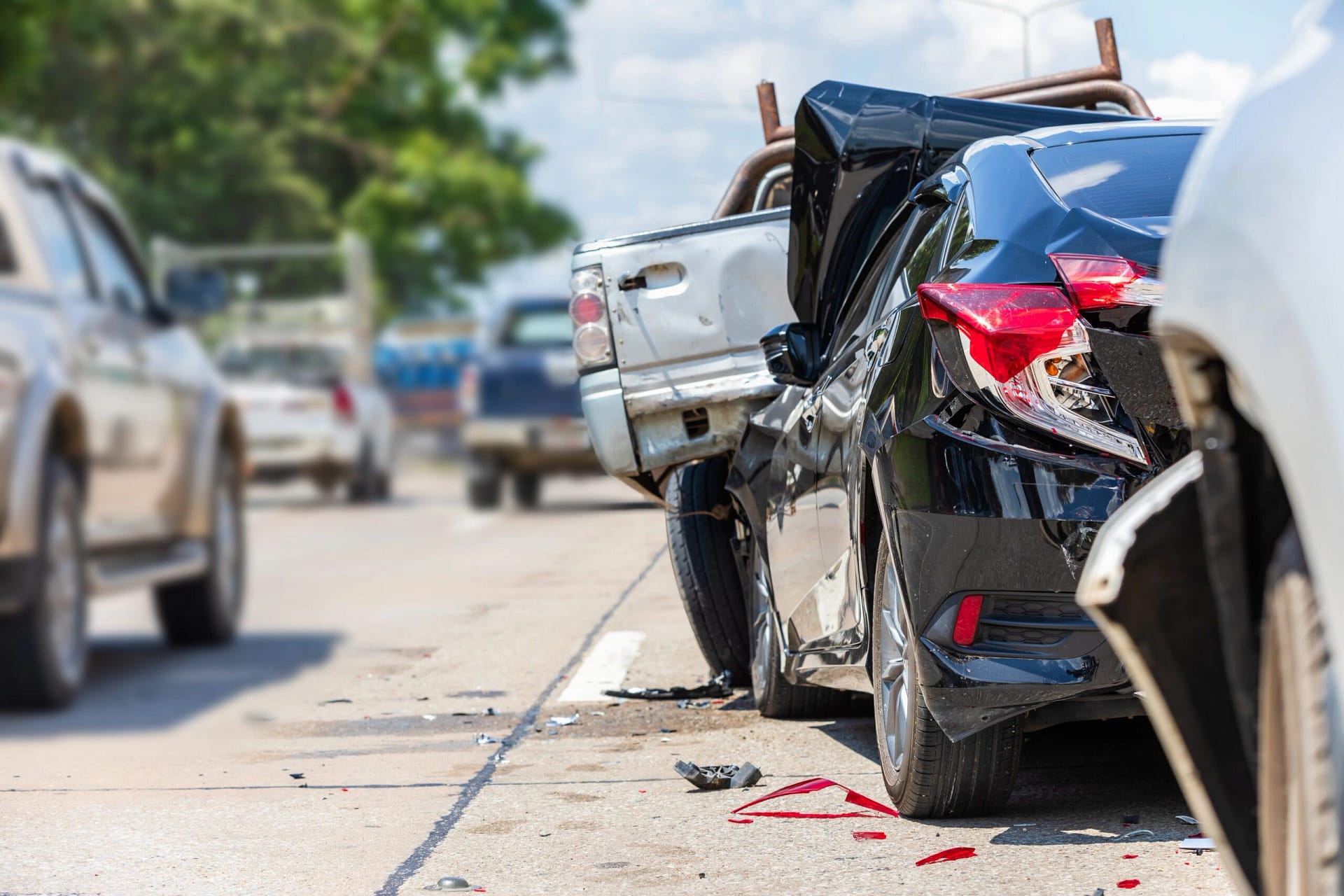
Cuándo acudir a urgencias tras un accidente
Si presenta alguno de los siguientes síntomas después de un accidente automovilístico, busque atención médica de emergencia de inmediato. Algunas lesiones de la médula espinal pueden empeorar con el tiempo, y retrasar el tratamiento puede aumentar el riesgo de complicaciones graves.
Los signos de alerta de emergencia pueden incluir:
- Incapacidad para mover una parte del cuerpo
- Entumecimiento en las manos o los pies
- Debilidad repentina
- Pérdida del control de la vejiga o los intestinos
- Dificultad para respirar
- Dolor intenso de cuello
- Dolor de espalda con síntomas neurológicos
- Pérdida del equilibrio
- Colapso o parálisis
Las lesiones de la médula espinal no siempre son evidentes en el lugar del accidente. La hinchazón, la inflamación o la compresión que se producen más tarde pueden agravar el daño nervioso con el tiempo. Una evaluación médica inmediata suele ser fundamental para preservar la movilidad, la sensibilidad y las funciones corporales a largo plazo.
Cómo se diagnostican las lesiones de la médula espinal
Los médicos pueden recurrir a diversas herramientas de diagnóstico para evaluar un posible traumatismo espinal tras un accidente automovilístico. Dado que las lesiones espinales pueden afectar a la médula espinal, los nervios y las estructuras circundantes, a menudo es necesario realizar pruebas de imagen y exámenes neurológicos para determinar la gravedad de la lesión.
Las pruebas diagnósticas pueden incluir:
- Examen neurológico
- Rayos X
- Tomografías computarizadas
- Imágenes por resonancia magnética
- Pruebas de reflejos
- Pruebas de sensibilidad y fuerza
Estas pruebas ayudan a los médicos a determinar:
- Lugar donde se produjo la lesión
- Cuál puede ser la gravedad de los daños
- Si existe una compresión nerviosa
- Si es necesaria una intervención de emergencia
Es importante realizar un diagnóstico rápido, ya que el tratamiento temprano puede ayudar a reducir el daño adicional en la médula espinal y mejorar los resultados de la recuperación.
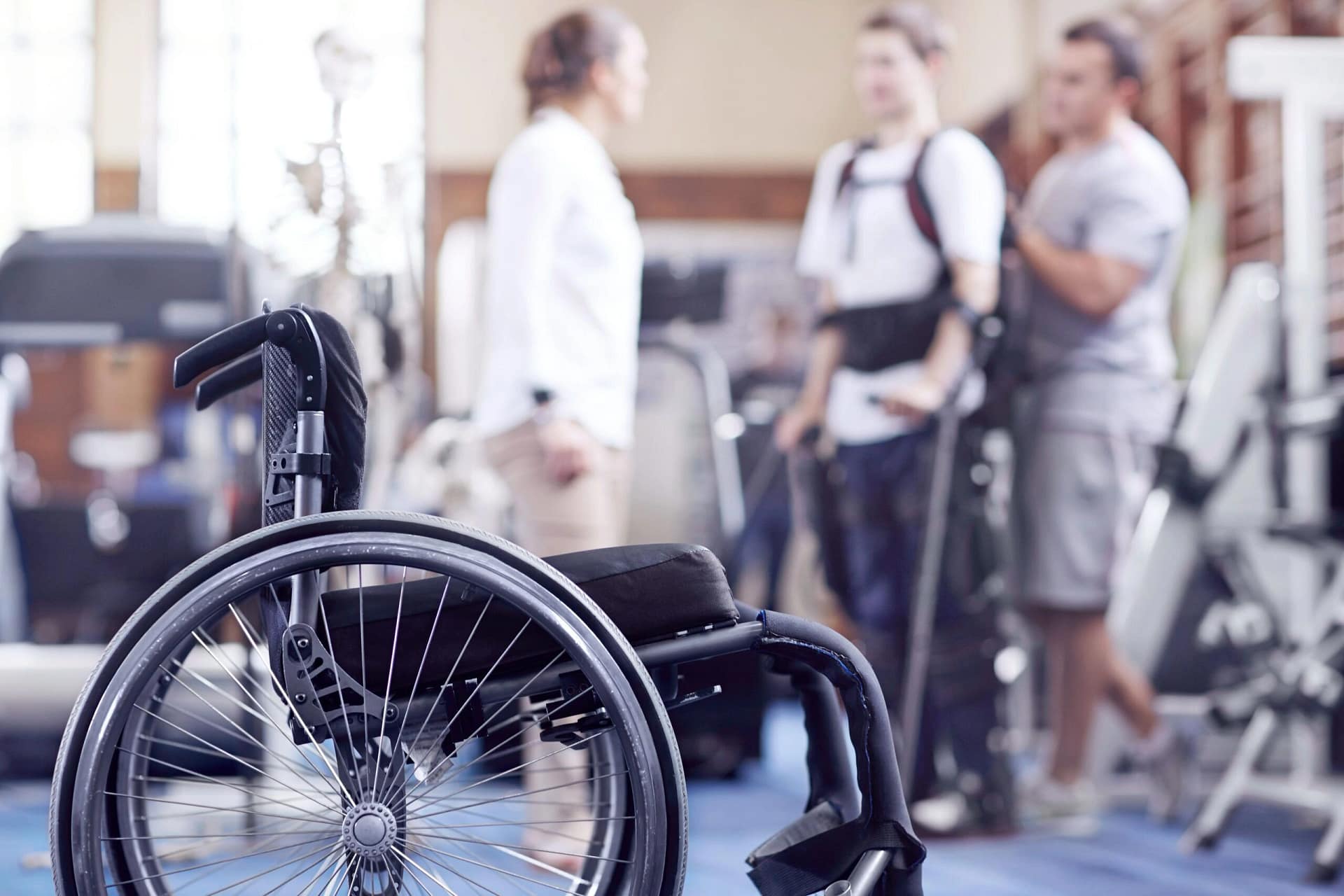
Tratamiento y recuperación tras una lesión medular
El tratamiento de una lesión medular depende de la ubicación de la lesión, la gravedad del daño y si la médula espinal o los nervios circundantes se han visto afectados.
La atención puede incluir:
- Estabilización de emergencia
- Intervención quirúrgica
- Tratamiento antiinflamatorio
- Tratamiento del dolor
- Terapia de rehabilitación
- Apoyo a la movilidad
- Quiropráctica y cuidados para la recuperación musculoesquelética (cuando sea necesario)
- Rehabilitación física
- Planificación de la recuperación a largo plazo
En Premier Injury Clinics de DFW, podemos ayudar a coordinar la atención de recuperación tras un accidente, el apoyo a la rehabilitación, las derivaciones para estudios de imagen y el tratamiento conservador de las lesiones musculoesqueléticas asociadas, en función del diagnóstico y las necesidades médicas.
¿Es posible recuperarse de una lesión medular?
La recuperación tras una lesión medular depende de varios factores importantes, y cada lesión es diferente.
La recuperación puede depender de:
- Gravedad de la lesión
- Grado de lesión medular
- Si la lesión es completa o incompleta
- Cuándo se inicia el tratamiento
- Afectación nerviosa
- Respuesta de rehabilitación
Algunas personas recuperan parcialmente la función y mejoran con el tratamiento y la rehabilitación. Otras pueden sufrir limitaciones a largo plazo y necesitar atención médica continua, terapia o ayudas para la movilidad.
El tratamiento temprano suele ofrecer las mejores posibilidades de obtener mejores resultados y puede ayudar a reducir el riesgo de complicaciones a largo plazo.

Preguntas frecuentes Acerca del dolor de rodilla después de un accidente automovilístico
¿Puede un accidente automovilístico provocar una lesión en la médula espinal sin causar parálisis?
Sí. Algunas lesiones de la médula espinal provocan dolor, entumecimiento, debilidad, síntomas nerviosos, pérdida de coordinación o alteraciones sensoriales sin que se produzca una parálisis completa. La gravedad de los síntomas depende de la ubicación y la extensión del daño en la médula espinal.
¿Cuáles son los síntomas de una lesión medular tras un accidente?
Entre los síntomas comunes se pueden incluir dolor de espalda intenso, entumecimiento, hormigueo, debilidad, pérdida de movilidad, problemas de equilibrio, espasmos musculares o alteraciones en el funcionamiento de la vejiga y los intestinos. Los síntomas que requieran atención de urgencia deben evaluarse de inmediato.
¿Pueden aparecer los síntomas más adelante?
Sí. La hinchazón, la inflamación o la compresión alrededor de la médula espinal pueden provocar que los síntomas empeoren horas después de un accidente. Algunas personas notan un aumento de la debilidad, el entumecimiento, el dolor o los problemas de coordinación tras el accidente inicial.
¿El daño en la médula espinal es permanente?
Algunas lesiones de la médula espinal provocan cambios permanentes, mientras que otras mejoran con el tratamiento y la rehabilitación. La recuperación depende de la gravedad de la lesión, de la rapidez con la que se inicie el tratamiento y de si el daño en la médula espinal es completo o incompleto.
¿Te preocupa haber sufrido una lesión en la médula espinal tras un accidente de tráfico?
Si estás experimentando dolor de cuello, entumecimiento, debilidad, síntomas nerviosos o un posible traumatismo espinal tras un accidente, es importante realizar una evaluación temprana.
Premier Injury Clinics de DFW puede ayudar a coordinar Evaluación de lesiones por accidente, apoyo a la rehabilitación, así como cuidados de recuperación adaptados a tus necesidades médicas.
¿Necesitas atención médica tras un accidente de tráfico?
Premier Injury Clinics of DFW ofrece evaluaciones especializadas en accidentes,
atención quiropráctica, terapia de rehabilitación y apoyo para la recuperación en toda
el área de Dallas-Fort Worth.
Testimonios

Premier Injury Clinic; ¡¡¡realmente me atendieron muy bien con mi lesión!!! Y sin duda volveré a acudir a ellos. Son muy profesionales y el personal me encanta. ¡Son gente realmente buena, si me permito decirlo!
-Karl Holmes
Premier Injury Clinic; ¡¡¡realmente me atendieron muy bien con mi lesión!!! Y sin duda volveré a acudir a ellos. Son muy profesionales y el personal me encanta. ¡Son gente realmente buena, si me permito decirlo!
-Karl Holmes
Premier Injury Clinic; ¡¡¡realmente me atendieron muy bien con mi lesión!!! Y sin duda volveré a acudir a ellos. Son muy profesionales y el personal me encanta. ¡Son gente realmente buena, si me permito decirlo!