

Spinal Cord Injury After a Car Accident: Symptoms, Treatment & Recovery
Learn what can cause a spinal cord injury after a car accident, warning signs to watch for, how spinal trauma is evaluated, and when to seek immediate medical care.

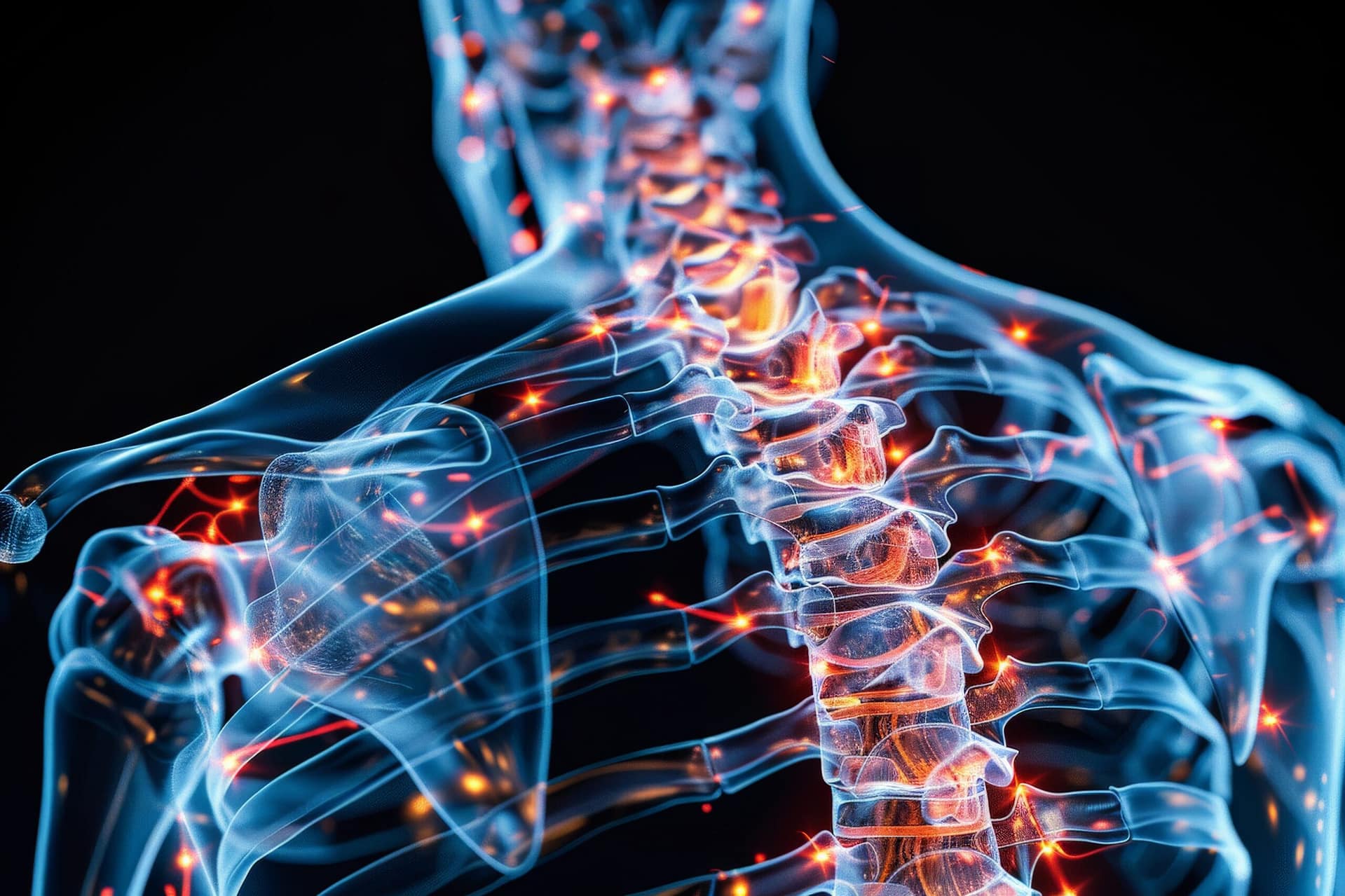
At Premier Injury Clinics of DFW, we help accident victims receive prompt evaluation, diagnostic support, rehabilitation planning, and post-accident recovery care when spinal trauma is suspected.
What Is a Spinal Cord Injury After a Car Accident?
A spinal cord injury after a car accident happens when trauma damages the spinal cord itself or the structures surrounding it. This type of injury can interfere with the nerve signals that travel between the brain and the rest of the body, affecting movement, sensation, and important body functions.
Spinal cord trauma may involve injuries such as:
- Fractured vertebrae
- Herniated discs
- Swelling or bleeding around the spinal cord
- Spinal compression
- Severe neck or back trauma
- Displaced bone fragments after impact
The spinal cord acts as the body’s communication pathway, carrying messages between the brain and muscles, organs, and nerves throughout the body. When that pathway is disrupted, a person may lose normal movement, sensation, reflexes, or organ control below the injury site. In severe cases, spinal cord damage can result in partial or complete paralysis.
Car accidents are one of the leading causes of traumatic spinal cord injuries because sudden crash forces can compress, fracture, twist, or damage the spine during impact.
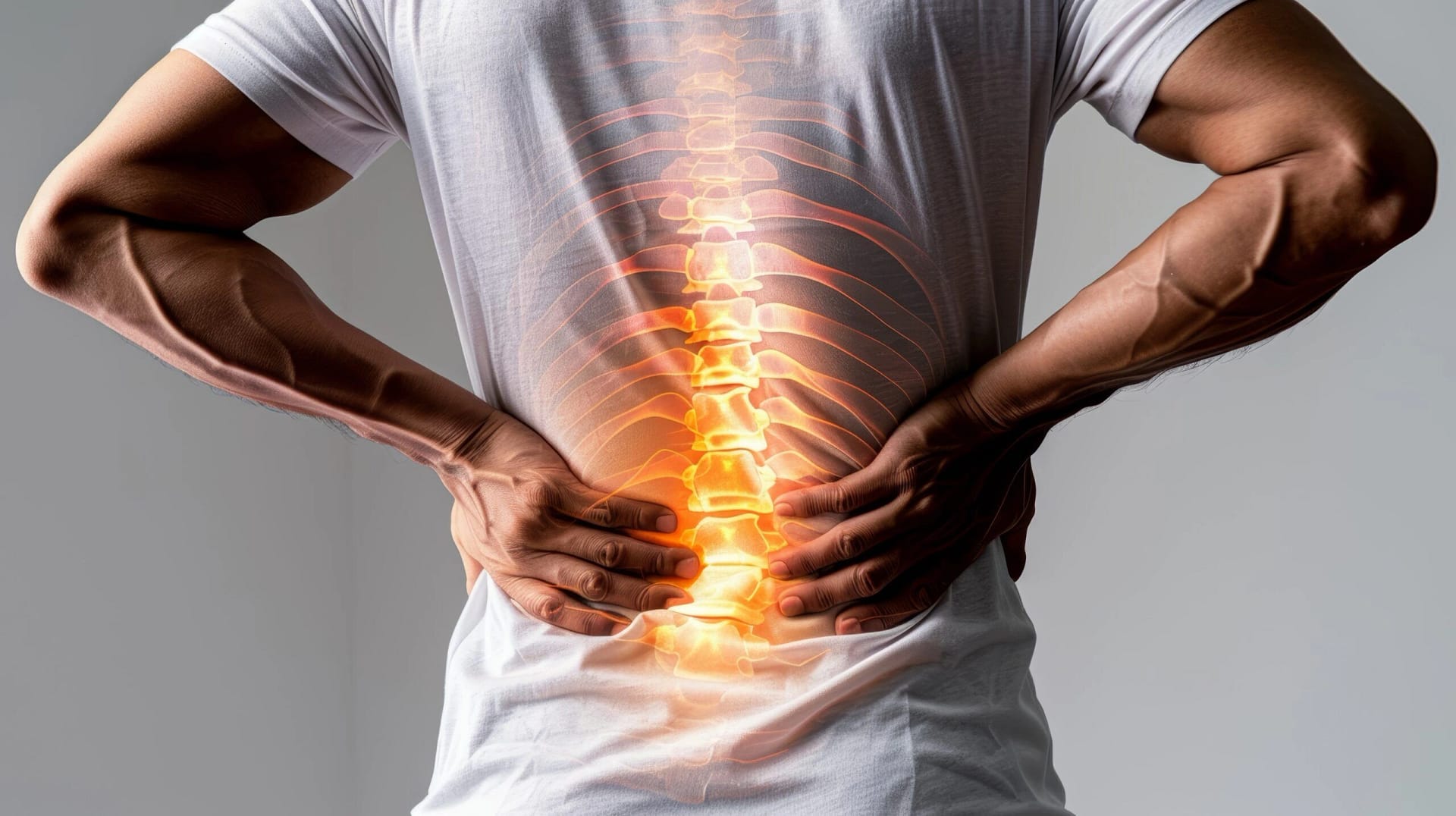
Symptoms of a Spinal Cord Injury After a Car Accident
Some spinal cord injuries are obvious immediately after a collision. Others may worsen over hours as swelling, inflammation, or pressure builds around the spinal cord. Because these injuries can affect the body’s nerve pathways, symptoms should never be ignored.
Common symptoms of a spinal cord injury after a car accident may include:
- Severe neck pain or back pain
- Numbness or tingling in the arms or legs
- Weakness in the hands, arms, legs, or feet
- Loss of coordination
- Difficulty walking
- Burning nerve pain
- Loss of sensation
- Muscle spasms
- Loss of bladder or bowel control
- Trouble breathing
- Sudden paralysis or loss of movement
Emergency warning signs should never be ignored. Sudden weakness, numbness, loss of balance, changes in bladder or bowel function, or loss of movement may indicate a serious spinal injury requiring immediate emergency medical care.
How a Car Accident Can Cause a Spinal Cord Injury
A motor vehicle crash can place enormous force on the spine in a fraction of a second. Depending on the direction and severity of the impact, that force can damage the spinal cord directly or injure the bones, discs, and tissues that protect it.
Common crash-related causes of spinal cord injury include:
Fractured Vertebrae
Broken spinal bones may shift out of position and damage the spinal cord or nearby nerves.
Herniated Discs
Crash trauma can force spinal discs out of place, causing pressure on nearby nerves or the spinal cord.
Spinal Compression
Swelling, bleeding, or displaced tissue can place dangerous pressure on the spinal cord and interfere with nerve function.
Neck Hyperextension (Severe Whiplash Trauma)
Violent forward-and-back motion can injure the cervical spine and surrounding nerve structures during impact.
Rollovers or High-Impact Collisions
These crashes carry a higher risk of severe spinal trauma due to rotational force, compression injuries, and major vehicle intrusion.
Even lower-speed crashes can sometimes cause serious spinal damage depending on factors such as:
- Body position during impact
- Angle of collision
- Seatbelt mechanics
- Pre-existing spinal degeneration
- Vehicle intrusion
- Rollover force

When to Seek Emergency Care After a Crash
If you experience any of the following symptoms after a car accident, seek emergency medical attention immediately. Some spinal cord injuries may worsen over time, and delaying treatment can increase the risk of serious complications.
Emergency warning signs may include:
- Inability to move part of the body
- Numbness in the hands or feet
- Sudden weakness
- Loss of bladder or bowel control
- Difficulty breathing
- Severe neck pain
- Back pain with nerve symptoms
- Loss of balance
- Collapse or paralysis
Spinal cord injuries are not always obvious at the scene of a crash. Delayed swelling, inflammation, or compression can worsen nerve damage over time. Immediate medical evaluation is often critical to protecting long-term movement, sensation, and body function.
How Spinal Cord Injuries Are Diagnosed
Doctors may use several diagnostic tools to evaluate suspected spinal trauma after a car accident. Because spinal injuries can affect the spinal cord, nerves, and surrounding structures, imaging and neurological testing are often necessary to determine the extent of the damage.
Diagnostic testing may include:
- Neurological examination
- X-rays
- CT scans
- MRI imaging
- Reflex testing
- Sensation and strength testing
These tests help doctors determine:
- Where the injury occurred
- How severe the damage may be
- Whether nerve compression exists
- If emergency intervention is needed
Fast diagnosis is important because early treatment may help reduce additional spinal cord damage and improve recovery outcomes.

Treatment and Recovery After a Spinal Cord Injury
Treatment for a spinal cord injury depends on the location of the injury, the severity of the damage, and whether the spinal cord or surrounding nerves have been affected.
Care may involve:
- Emergency stabilization
- Surgical intervention
- Anti-inflammatory treatment
- Pain management
- Rehabilitation therapy
- Mobility support
- Chiropractic and musculoskeletal recovery care (when appropriate)
- Physical rehabilitation
- Long-term recovery planning
At Premier Injury Clinics of DFW, we may help coordinate post-accident recovery care, rehabilitation support, imaging referrals, and conservative treatment for associated musculoskeletal injuries depending on the diagnosis and medical needs.
Can You Recover From a Spinal Cord Injury?
Recovery from a spinal cord injury depends on several important factors, and every injury is different.
Recovery may depend on:
- Severity of injury
- Level of spinal damage
- Whether the injury is complete or incomplete
- How quickly treatment begins
- Nerve involvement
- Rehabilitation response
Some people recover partial function and improve with treatment and rehabilitation. Others may face long-term limitations and require ongoing medical care, therapy, or mobility support.
Early treatment generally gives the best chance for improved outcomes and may help reduce the risk of long-term complications.

Frequently Asked Questions About Knee Pain After a Car Accident
Can a car accident cause a spinal cord injury without paralysis?
Yes. Some spinal cord injuries cause pain, numbness, weakness, nerve symptoms, loss of coordination, or changes in sensation without complete paralysis. The severity of symptoms depends on the location and extent of the spinal cord damage.
What are signs of a spinal cord injury after a crash?
Common signs may include severe back pain, numbness, tingling, weakness, loss of movement, balance problems, muscle spasms, or changes in bladder and bowel function. Emergency symptoms should be evaluated immediately.
Can symptoms appear later?
Yes. Swelling, inflammation, or compression around the spinal cord may cause symptoms to worsen hours after a crash. Some people notice increasing weakness, numbness, pain, or coordination problems after the initial accident.
Is spinal cord damage permanent?
Some spinal cord injuries cause permanent changes, while others improve with treatment and rehabilitation. Recovery depends on the severity of the injury, how quickly treatment begins, and whether the spinal cord damage is complete or incomplete.
Concerned About a Spinal Cord Injury After a Car Accident?
If you are experiencing neck pain, numbness, weakness, nerve symptoms, or possible spinal trauma after a crash, early evaluation matters.
Premier Injury Clinics of DFW can help coordinate accident injury evaluation, rehabilitation support, and recovery care based on your medical needs.
Need Treatment After a Car Accident?
Premier Injury Clinics of DFW provides accident-focused evaluations,
chiropractic care, rehabilitation therapy, and recovery support across
the Dallas–Fort Worth area.
Testimonials

Premier Injury Clinic; really took care of me, injury!!! And I will definitely use them again. They’re very professional and I just love the staff. Real good people, if I say so myself!
-Karl Holmes
Premier Injury Clinic; really took care of me, injury!!! And I will definitely use them again. They’re very professional and I just love the staff. Real good people, if I say so myself!
-Karl Holmes
Premier Injury Clinic; really took care of me, injury!!! And I will definitely use them again. They’re very professional and I just love the staff. Real good people, if I say so myself!