

Knee Pain After a Car Accident
Learn common causes of knee pain after a collision, delayed symptoms to watch for, treatment options, and when to seek medical evaluation after an accident.


Premier Injury Clinics of DFW provides accident-focused evaluations, rehabilitation services, and transportation assistance for patients across Dallas–Fort Worth.
Understanding Knee Pain After a Car Accident
Knee pain after a car accident is common, even in crashes that seem minor at first. During a collision, the knee can hit the dashboard, twist suddenly, brace against impact, or absorb force through the leg as the body shifts inside the vehicle. These injuries can affect the muscles, ligaments, cartilage, kneecap, or surrounding soft tissues, leading to pain, swelling, stiffness, or difficulty walking.
Some people feel knee pain right away, while others notice symptoms hours or even days later as inflammation increases and the body begins reacting to the injury. What may feel like simple soreness at first can become more noticeable when walking, climbing stairs, bending the knee, getting in and out of a car, or putting weight on the leg.
At Premier Injury Clinics of DFW, our providers evaluate accident-related knee injuries every day, including soft tissue damage, ligament strain, joint inflammation, and mobility problems that develop after a crash. Treatment plans may include chiropractic care, passive therapies, and structured auto injury treatment designed to help patients recover safely after a collision.
Because some knee injuries worsen over time if they go untreated, early evaluation may help identify the cause of pain, begin treatment sooner, and reduce the risk of long-term instability, chronic discomfort, or ongoing mobility issues.
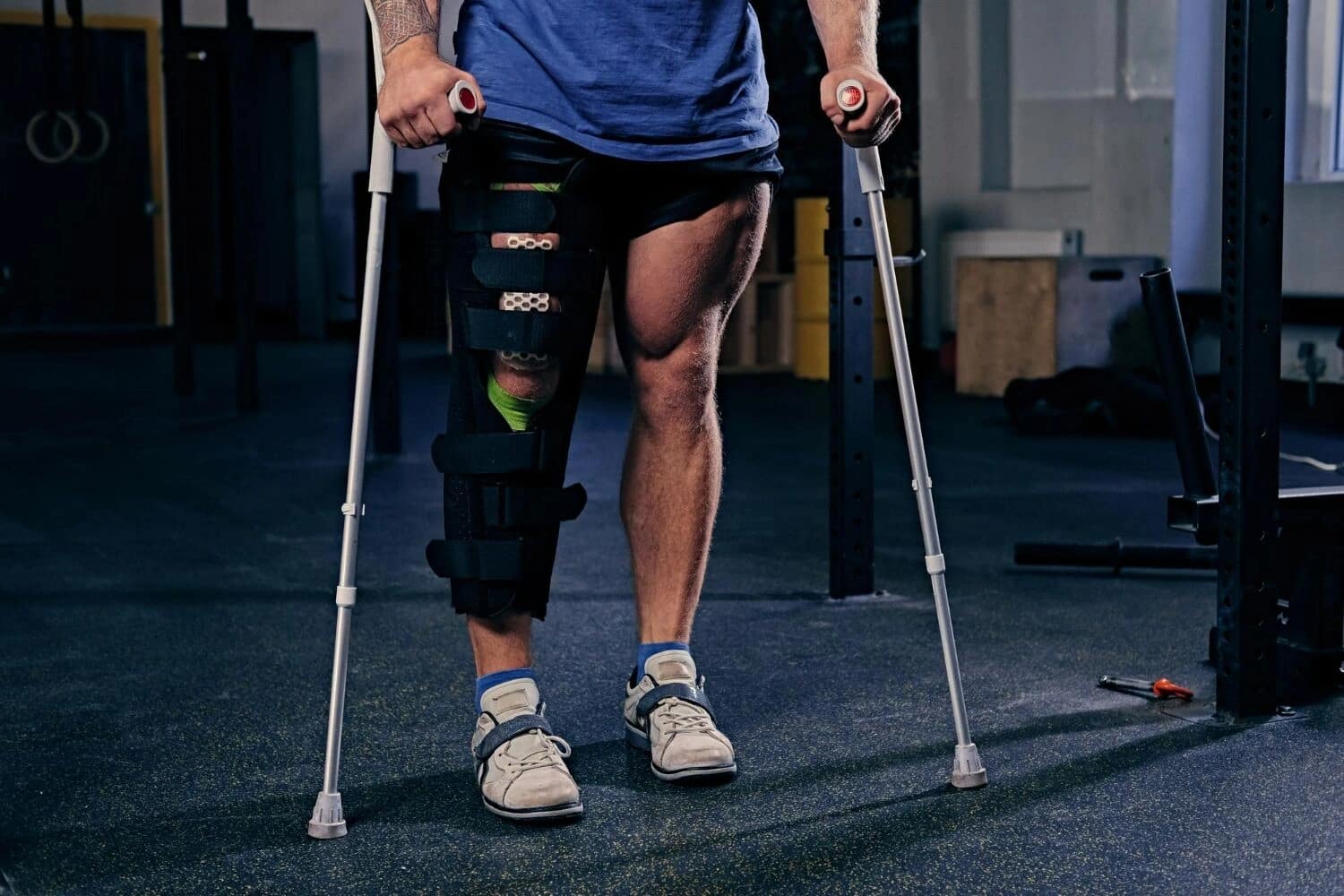
What Causes Knee Pain After a Car Accident?
Knee pain after a car accident can happen in several different ways depending on the type of crash, the direction of impact, and how the body moves during the collision. In some accidents, the knee absorbs a direct blow. In others, the leg twists, braces against impact, or absorbs force through the foot and lower body.
Because the knee is made up of bones, cartilage, ligaments, tendons, muscles, and nerves working together, even a minor collision can affect multiple parts of the joint.
Common causes of knee pain after a car accident may include:
- Dashboard knee injuries when the knee strikes the dashboard during impact, often causing bruising, kneecap injuries, or deeper joint damage
- Ligament injuries involving structures such as the ACL, PCL, or MCL that help stabilize the knee
- Meniscus tears caused by sudden twisting, compression, or impact inside the joint
- Soft tissue injuries affecting muscles, tendons, and connective tissues surrounding the knee
- Kneecap injuries including bruising, irritation, instability, or fractures
- Inflammation and swelling that build as the body responds to trauma
- Fractures involving the kneecap or surrounding bones after a more forceful collision
- Nerve-related pain that may cause burning, tingling, weakness, or pain radiating into the leg
Some knee injuries cause immediate pain, while others become more noticeable as swelling increases and the joint becomes stiff. Because symptoms do not always match the severity of the injury, early evaluation can help identify problems before pain or mobility issues worsen.
Can Knee Pain Be Delayed After an Accident?
Yes. Delayed knee pain after a car accident is common, even when the crash seems minor at first.
Many people walk away from an accident thinking they are fine, only to notice pain, swelling, stiffness, or difficulty walking later that day or even several days afterward. One reason this happens is because the body releases adrenaline and stress hormones immediately after a collision. These chemicals can temporarily mask pain and make injuries feel less serious in the moment.
As the body begins calming down, inflammation and swelling may increase, making symptoms more noticeable over time.
Delayed knee pain after a car accident may include:
- Knee stiffness that worsens the next day
- Swelling that gradually increases
- Pain when walking or putting weight on the leg
- Difficulty bending or straightening the knee
- Pain climbing stairs or getting in and out of a car
- Clicking, locking, or instability that appears later
- Soreness that becomes worse after sleeping or sitting
Some people do not notice symptoms until normal movement becomes painful. What feels like minor soreness at first may actually involve inflammation, soft tissue damage, ligament strain, or deeper joint irritation that becomes more obvious as recovery begins.
Because delayed symptoms are common after a collision, knee pain that continues worsening in the hours or days after an accident should not be ignored. Early evaluation may help identify hidden injuries before they lead to more serious pain, instability, or long-term mobility problems.

Common Symptoms Associated With Accident-Related Knee Injuries
Knee injuries after a car accident can affect walking, bending, stability, and normal daily movement. Some symptoms appear immediately after a collision, while others become more noticeable as swelling and inflammation increase over the next several hours or days.
Common symptoms associated with accident-related knee injuries may include:
- Swelling around the knee joint
- Stiffness or tightness when moving the knee
- Pain while walking
- The knee feeling like it may buckle or give out
- Locking or catching sensations in the joint
- Popping or clicking during movement
- Instability when standing or changing direction
- Bruising or tenderness after impact
- Reduced range of motion
- Pain when climbing stairs
- Pain when putting weight on the leg
Some symptoms may seem minor at first but can become more noticeable as inflammation increases and normal movement places stress on the injured joint. If pain continues worsening after a collision, evaluation may help determine whether the injury involves soft tissues, ligaments, cartilage, or deeper joint damage.
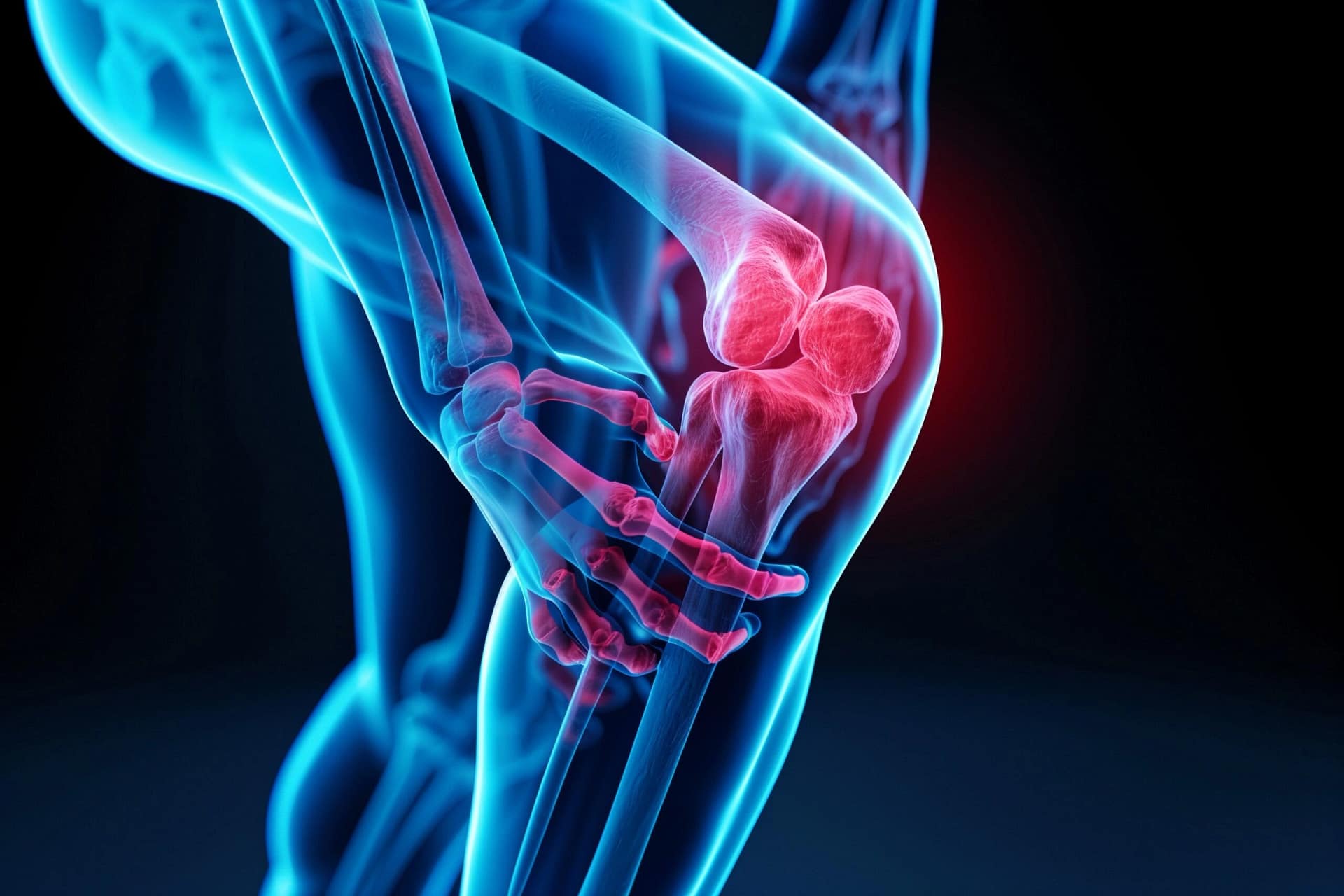
Dashboard Knee Injury After a Car Accident
A dashboard knee injury happens when the knee strikes the dashboard during a car accident, usually during a front-end collision or sudden impact. This type of injury is common because the body moves forward during the crash while the knees are often bent and positioned close to the dashboard.
When the knee hits the dashboard, the force can affect multiple parts of the joint, including the kneecap, surrounding soft tissues, cartilage, and deeper stabilizing ligaments. In some cases, dashboard impact may also contribute to a PCL injury, which affects one of the major ligaments that helps stabilize the knee.
Dashboard knee injuries may cause:
- Pain in the front of the knee after impact
- Swelling or bruising around the kneecap
- Pain when bending or straightening the knee
- Difficulty walking or putting weight on the leg
- Knee instability or a feeling that the joint may give out
- Reduced range of motion after the collision
Because dashboard impact can cause both visible bruising and deeper accident-related knee injuries, symptoms should not be ignored even if pain seems manageable at first. Early evaluation and auto injury treatment may help identify hidden damage, reduce inflammation, and support a safer recovery after a collision.
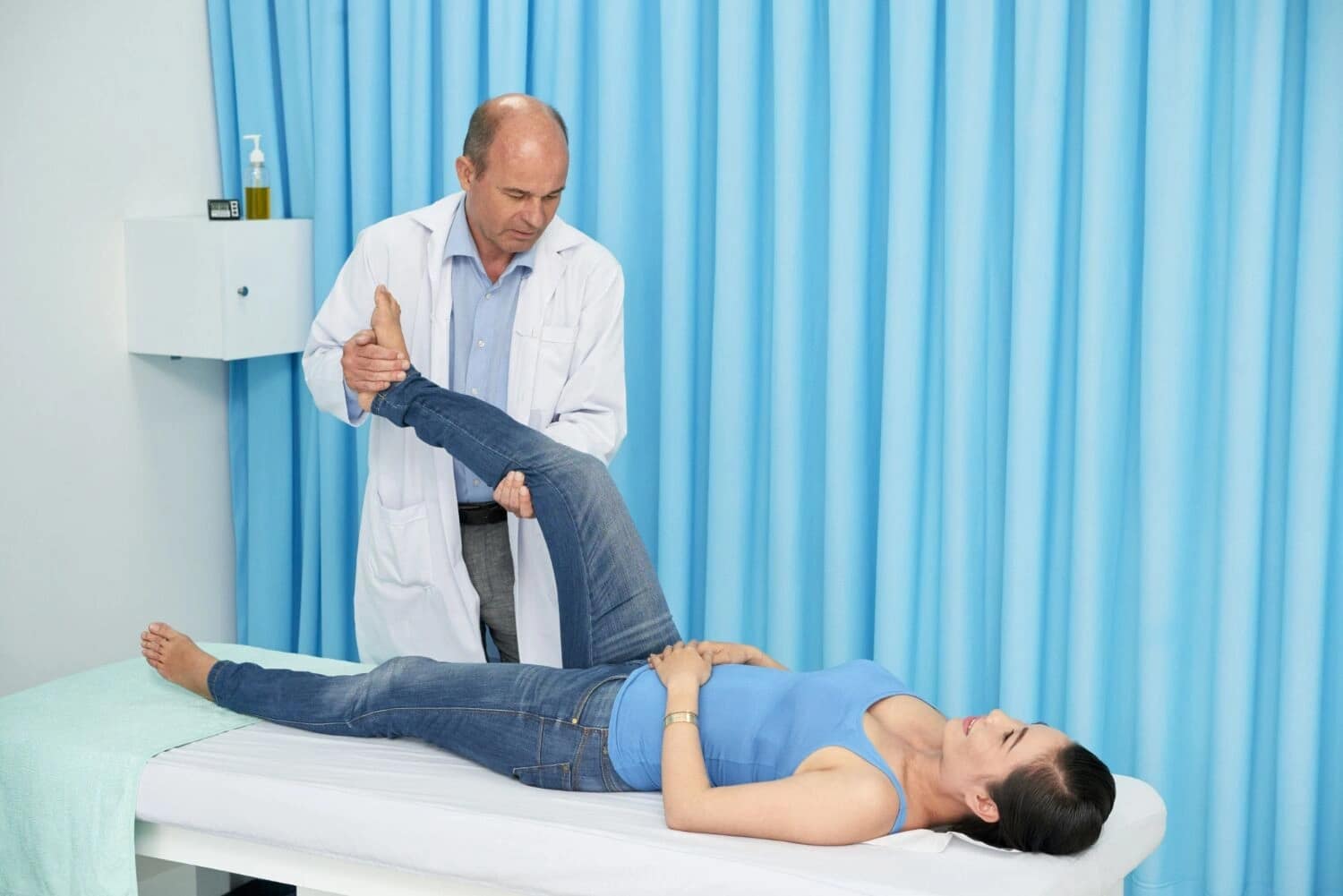
Common Knee Injuries After a Car Accident
Knee injuries after a car accident can range from mild soft tissue irritation to more serious ligament, cartilage, or structural damage inside the joint. The type of injury often depends on the direction of impact, the force of the collision, and whether the knee struck part of the vehicle or twisted during the crash.
Some of the most common knee injuries after a collision include:
Ligament Injuries
The knee relies on several major ligaments for stability, including the ACL, PCL, and MCL. These ligaments can become stretched, strained, or torn during a sudden impact, especially if the knee twists or absorbs force during the collision. Ligament injuries often cause pain, swelling, instability, or a feeling that the knee may give out.
Meniscus Tears
The meniscus is the cartilage inside the knee that helps cushion and stabilize the joint. Sudden twisting, compression, or dashboard impact during a crash can cause the meniscus to tear, leading to swelling, stiffness, locking sensations, or pain during movement.
Soft Tissue Injuries
Soft tissue injuries involving muscles, tendons, and connective tissues around the knee are common after a car accident. These injuries may cause soreness, tightness, swelling, tenderness, and reduced mobility even when there is no fracture or major structural damage.
Kneecap and Fracture Injuries
A direct blow to the knee during a collision may injure the kneecap or surrounding bones. More serious crashes can sometimes lead to fractures, bruising, or deeper joint trauma that affects walking, bending, and weight-bearing.
Nerve-Related Pain or Radiating Leg Symptoms
In some cases, knee pain after a collision may involve nerve irritation, especially if surrounding tissues become inflamed or if additional lower body injuries are present. Some patients notice burning pain, tingling, weakness, or discomfort that radiates through the leg.
Because different injuries can cause similar symptoms, early evaluation may help identify the cause of pain and begin auto injury treatment before symptoms worsen.
When Knee Pain May Indicate a More Serious Injury
Some cases of knee pain improve with conservative treatment and recovery care, but certain symptoms may indicate a more serious injury involving ligaments, cartilage, fractures, or deeper joint instability.
Symptoms that may require additional evaluation include:
- Severe swelling that continues worsening
- Difficulty bearing weight on the leg
- The knee giving out while walking
- Sharp pain when bending or straightening the joint
- Visible bruising or deformity after impact
- Locking or catching inside the knee
- Popping followed by instability or weakness
- Numbness, tingling, or pain radiating into the leg
- Pain that continues worsening instead of improving
These symptoms may suggest ligament damage, deeper joint injury, fracture involvement, or untreated inflammation that may become more difficult to manage over time.
If knee pain continues worsening after a collision, early evaluation may help identify hidden injuries before they contribute to long-term mobility problems, chronic pain, or untreated accident injuries that interfere with daily movement and recovery.

How Knee Pain Is Evaluated After a Collision
Evaluating knee pain after a car accident often involves reviewing symptoms, mobility limitations, swelling patterns, and how the knee responds during movement. Because accident-related knee injuries can involve soft tissues, ligaments, cartilage, or deeper joint damage, an early evaluation may help identify problems before symptoms become more severe.
During an evaluation, providers may assess:
- Range of motion and movement limitations
- Swelling, bruising, or visible inflammation
- Areas of tenderness or pain with pressure
- Walking mechanics and weight-bearing ability
- Signs of ligament instability
- Pain patterns during bending, standing, or movement
- Whether imaging or specialist referral may be necessary
Because some injuries may worsen gradually after a crash, monitoring symptoms over time can help identify hidden damage and support earlier auto injury treatment when needed.
Treatment Options for Knee Pain Recovery
Treatment for knee pain after a car accident depends on the type of injury, the severity of symptoms, and how the knee responds during recovery. Some patients improve with conservative care, while others may require longer rehabilitation or additional evaluation depending on the extent of the injury.
At Premier Injury Clinics of DFW, treatment plans may include:
- Chiropractic support to improve joint movement and reduce stress on surrounding tissues
- Rehabilitation therapy and strengthening exercises to improve stability and mobility
- Passive therapies to help reduce pain and inflammation
- Inflammation management and recovery-focused care
- Mobility exercises to improve walking, bending, and movement patterns
- Referrals for imaging or additional specialist evaluation when needed
Recovery-focused treatment may help reduce stiffness, improve mobility, support soft tissue healing, and lower the risk of long-term pain or joint instability after an accident.

How Long Does Knee Pain Last After a Car Accident?
Recovery time for knee pain after a car accident varies depending on the type of injury, how much inflammation is present, and how quickly treatment begins.
Some minor bruising or soft tissue soreness may improve within a few weeks, while more serious injuries involving ligament damage, cartilage tears, or deeper joint trauma may take several months to fully recover.
Several factors can affect how long knee pain lasts after a collision, including:
- Whether the injury involves a bruise, strain, tear, or fracture
- The amount of swelling and inflammation present
- Ligament damage or joint instability
- Delayed inflammation that worsens symptoms over time
- How quickly treatment begins after the accident
- Consistency with recovery care and rehabilitation
Because some accident-related injuries worsen gradually, early evaluation and treatment may help improve recovery time and reduce the risk of long-term mobility problems.
Why Ignoring Knee Pain After an Accident Can Make Symptoms Worse
Many people assume knee pain after a car accident will improve on its own, especially if symptoms seem mild at first. However, untreated knee injuries can sometimes worsen over time as inflammation increases and the joint continues absorbing stress during daily movement.
Ignoring knee pain after a collision may increase the risk of:
- Joint instability that affects balance and walking
- Altered walking mechanics that place stress on other parts of the body
- Chronic pain and recurring stiffness
- Worsening inflammation inside the joint
- Untreated soft tissue damage becoming harder to recover from
- Long-term wear that may increase arthritis-related symptoms
If knee pain continues worsening after a crash, early evaluation may help prevent hidden and untreated accident injuries from interfering with mobility, daily activity, and long-term recovery.

Frequently Asked Questions About Knee Pain After a Car Accident
Can knee pain start days after a car accident?
Yes. Delayed knee pain after a car accident is common. Many people feel little discomfort immediately after a crash because adrenaline can temporarily mask pain and inflammation. As swelling and soft tissue irritation increase, symptoms such as stiffness, soreness, instability, or pain while walking may become more noticeable hours or even days later. If symptoms continue worsening, late-appearing accident injuries should not be ignored.
What does a dashboard knee injury feel like?
A dashboard knee injury often causes pain in the front of the knee after impact, swelling, bruising, stiffness, pain when bending, and difficulty walking or putting weight on the leg. In some cases, patients also notice instability or a feeling that the knee may give out after the collision.
Can a car accident tear knee ligaments?
Yes. A car accident can sometimes cause ligament damage involving structures such as the ACL, PCL, or MCL. A ligament tear after a car accident may cause swelling, pain, instability, reduced range of motion, or difficulty walking depending on the severity of the injury.
How long does knee pain last after a collision?
Recovery time varies depending on the type of injury. Minor bruising or soft tissue soreness may improve within a few weeks, while more serious injuries involving ligament damage, cartilage tears, or joint instability may take several months to recover. Early treatment may help improve recovery time and reduce the risk of chronic pain.
Should I get knee pain checked after a minor accident?
Yes. Even low-speed collisions can cause soft tissue injuries, inflammation, ligament strain, or hidden joint damage that may worsen over time. Early evaluation may help identify accident-related injuries before they become more painful or harder to treat.
Can untreated knee pain become chronic?
Yes. Untreated knee injuries can sometimes lead to ongoing inflammation, instability, altered walking patterns, chronic pain, stiffness, and increased long-term wear on the joint. In some cases, untreated accident injuries may contribute to mobility problems that continue interfering with daily activity.
Can knee pain after a crash affect walking?
Yes. Knee pain after a crash can affect balance, stability, weight-bearing, walking mechanics, climbing stairs, bending, and normal movement. Some injuries also cause the knee to buckle, lock, or feel unstable during activity.
What treatments are commonly used for accident-related knee pain?
Treatment depends on the type of injury and how symptoms progress during recovery. Common options may include chiropractic adjustments, rehabilitation therapy, passive treatments, inflammation management, mobility-focused recovery care, and referrals for additional imaging or specialist evaluation when needed.
Need Treatment After a Car Accident?
Premier Injury Clinics of DFW provides accident-focused evaluations,
chiropractic care, rehabilitation therapy, and recovery support across
the Dallas–Fort Worth area.
Testimonials

Premier Injury Clinic; really took care of me, injury!!! And I will definitely use them again. They’re very professional and I just love the staff. Real good people, if I say so myself!
-Karl Holmes
Premier Injury Clinic; really took care of me, injury!!! And I will definitely use them again. They’re very professional and I just love the staff. Real good people, if I say so myself!
-Karl Holmes
Premier Injury Clinic; really took care of me, injury!!! And I will definitely use them again. They’re very professional and I just love the staff. Real good people, if I say so myself!