Understanding Back Pain After a Car Accident
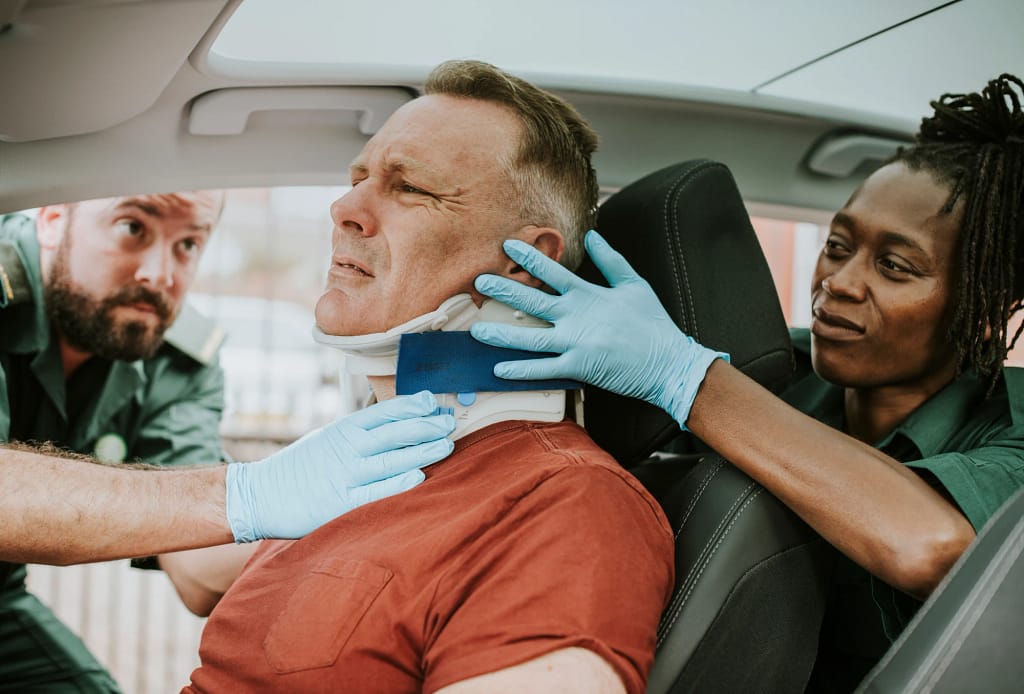
Back pain is one of the most common symptoms people experience after a car accident, even in low-speed collisions. The sudden force of a crash can strain muscles, irritate joints, damage soft tissues, or place pressure on the spine and surrounding nerves. Some people notice pain immediately after an accident, while others develop stiffness, soreness, or reduced mobility hours or even days later as inflammation increases.
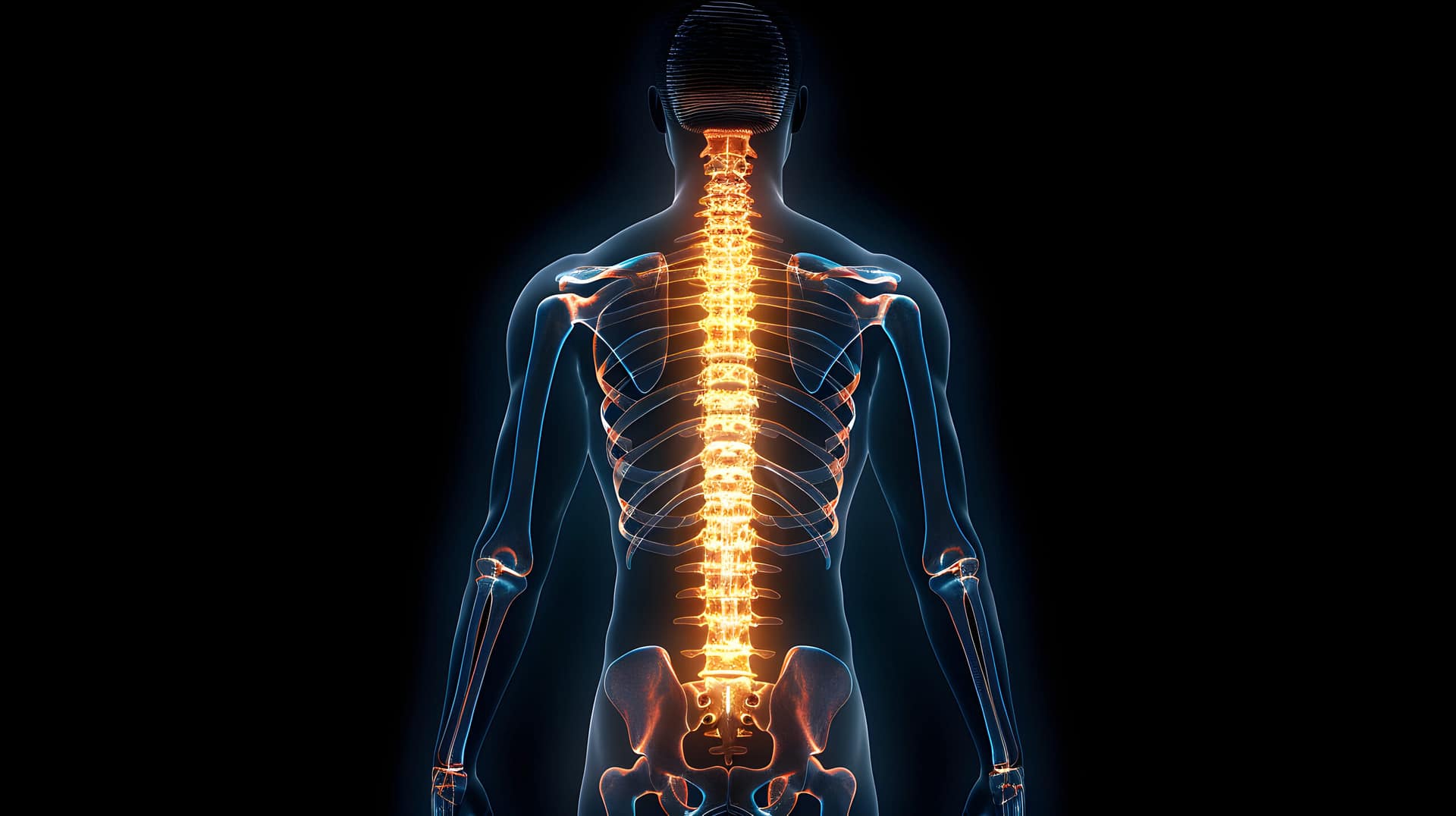
Accident-related back pain can affect the lower back, upper back, or middle spine and may range from mild discomfort to severe pain that interferes with walking, driving, sleeping, or daily activities. In some cases, symptoms may include muscle spasms, radiating leg pain, numbness, tingling, or pain that worsens with movement or prolonged sitting.
At Premier Injury Clinics of DFW, our team evaluates and treats accident-related back injuries throughout the Dallas–Fort Worth area. Treatment plans may include chiropractic adjustments, rehabilitation exercises, passive therapies, mobility-focused recovery care, and referrals for additional evaluation when necessary.
Early treatment may help reduce inflammation, improve mobility, and lower the risk of chronic pain or long-term complications after an accident. You can also explore our injury treatment hub to learn more about common accident-related injuries and recovery options.
What Causes Back Pain After a Car Accident?
Back pain after a car accident is often caused by the sudden force placed on the spine, muscles, ligaments, and surrounding soft tissues during a collision. Even low-speed crashes can create enough impact to strain the lower back, irritate spinal joints, or inflame muscles that support the spine.
Rear-end collisions are especially known for causing back injuries because the body is suddenly forced forward and backward while restrained by the seatbelt. This rapid movement may place stress on the lumbar spine, soft tissues, discs, and surrounding nerves.
Accident-related back pain may involve:
- Muscle strains and soft tissue injuries
- Lower back inflammation
- Muscle spasms and stiffness
- Joint irritation
- Bulging or herniated discs
- Nerve irritation and radiating pain
Some injuries cause immediate pain, while others gradually worsen over time as inflammation increases and muscles tighten following the accident.
Can Back Pain Be Delayed After an Accident?
Yes. Back pain after a car accident can appear hours or even days later due to inflammation, muscle strain, and adrenaline masking symptoms immediately after a collision. Delayed back pain is common after rear-end accidents and may worsen without treatment.
Many accident victims initially believe they are not seriously injured because the body releases adrenaline and stress hormones immediately after a crash. As those chemicals wear off, inflammation and muscle tightness may increase, making symptoms more noticeable over time.
Delayed symptoms may include:
- Lower back stiffness
- Muscle spasms
- Pain while sitting or standing
- Difficulty bending or twisting
- Radiating pain into the hips or legs
- Increased soreness after sleeping or driving
If symptoms continue worsening after a collision, early evaluation may help identify underlying soft tissue injuries, inflammation, or spinal issues before they become more difficult to manage.
Common Symptoms of Accident-Related Back Injuries
Back injuries after a car accident can affect the muscles, joints, discs, ligaments, and nerves throughout the spine. Symptoms vary depending on the severity of the collision and the type of injury involved.
Common symptoms associated with accident-related back pain include:
- Lower back pain and stiffness
- Upper or middle back soreness
- Muscle spasms and tightness
- Pain that worsens with movement
- Difficulty standing, walking, or sitting comfortably
- Radiating pain into the hips or legs
- Numbness or tingling sensations
- Reduced range of motion
- Pain while driving or sleeping
Some patients experience mild discomfort while others develop symptoms that interfere with daily movement, work, sleep, or physical activity.
Lower Back Pain After a Rear-End Collision
Lower back pain is one of the most common complaints following a rear-end collision. During impact, the lower spine and surrounding muscles absorb a significant amount of force as the body is pushed forward and backward inside the vehicle.
This sudden motion may strain the lumbar spine, irritate spinal joints, or inflame soft tissues supporting the lower back. Some people develop soreness immediately after the accident, while others notice stiffness and pain gradually worsening over the following days.
Lower back pain after a rear-end accident may include:
- Muscle tightness and spasms
- Pain when sitting or standing
- Difficulty bending or twisting
- Sharp pain with movement
- Radiating discomfort into the hips or legs
Because lower back injuries can worsen without treatment, ongoing symptoms should not be ignored after a collision.
Can Neck Pain Be Delayed After an Accident?
Yes. Delayed neck pain after a car accident is extremely common. Many people walk away from a collision believing they were not seriously injured, only to develop stiffness, soreness, headaches, or reduced mobility later that day or even several days afterward.
One reason symptoms are often delayed is because the body releases adrenaline and stress hormones immediately after an accident. These chemicals can temporarily mask pain and inflammation. As the body begins calming down, inflammation and muscle tightness may gradually increase, making symptoms more noticeable over time.
Delayed symptoms after a collision may include:
- Neck stiffness and soreness
- Headaches or migraines
- Shoulder and upper back tension
- Pain when turning the head
- Dizziness or fatigue
- Numbness or tingling in the arms and hands
- Difficulty sleeping comfortably
Some patients begin experiencing symptoms within a few hours, while others may not notice pain for several days. Because delayed symptoms can signal soft tissue injuries, inflammation, or developing nerve irritation, early evaluation is often recommended even when pain initially feels minor.
Common Symptoms Associated With Accident-Related Neck Pain
Neck injuries after a car accident can affect muscles, ligaments, joints, discs, and surrounding nerves. Symptoms may range from mild stiffness to more severe pain that interferes with work, sleep, driving, or daily movement.
Common symptoms associated with neck pain after a collision include:
- Persistent neck stiffness
- Pain when moving or turning the head
- Headaches starting near the base of the skull
- Upper back or shoulder pain
- Muscle tightness and spasms
- Reduced range of motion
- Tingling or numbness in the arms or hands
- Radiating pain into the shoulders or upper back
- Dizziness or balance issues
- Fatigue caused by muscle tension and poor sleep
Symptoms can vary depending on the severity of the accident, the direction of impact, previous injuries, and how quickly treatment begins after the collision.
Upper and Middle Back Pain After a Car Accident
Upper and middle back pain may develop after a collision when muscles, ligaments, and joints throughout the thoracic spine become strained during impact. Seatbelts, sudden twisting movements, and abrupt force transfer through the upper body can all contribute to mid-back pain after an accident.
Some patients experience:
- Burning or aching pain between the shoulder blades
- Muscle tightness in the upper back
- Pain when taking deep breaths
- Stiffness while twisting or reaching
- Soreness that worsens throughout the day
Upper back pain may also occur alongside neck pain after a car accident, especially when inflammation and muscle tension spread throughout the upper spine.
When Back Pain May Indicate a More Serious Injury
While many cases of back pain improve with conservative treatment and rehabilitation, some symptoms may indicate a more serious spinal or nerve-related injury following a collision.
Symptoms that may require additional evaluation include:
- Severe or worsening pain
- Numbness or tingling in the legs
- Muscle weakness
- Shooting or radiating nerve pain
- Loss of mobility
- Pain that interferes with walking or standing
- Persistent pain that does not improve over time
In some cases, car accidents may contribute to herniated discs, nerve compression, spinal inflammation, or aggravation of previously existing back conditions. Early evaluation may help determine whether additional imaging or specialized treatment is necessary.
Herniated Discs and Soft Tissue Injuries After a Collision
One of the more common spinal injuries associated with car accidents is a herniated or bulging disc. Spinal discs act as cushions between the vertebrae and help absorb movement throughout the spine. During a collision, the force placed on the back may cause a disc to bulge, rupture, or place pressure on nearby nerves.
A herniated disc after a car accident may cause:
- Sharp lower back pain
- Radiating leg pain
- Numbness or tingling
- Muscle weakness
- Pain that worsens while sitting or bending
Soft tissue injuries are also extremely common after a collision. Muscles, tendons, and ligaments may become strained or inflamed during the impact, leading to stiffness, spasms, soreness, and reduced mobility.
Because symptoms involving discs and soft tissue injuries can worsen gradually over time, monitoring recovery after an accident is important.
Can a Car Accident Cause Sciatica or Radiating Leg Pain?
Yes. Car accidents can sometimes irritate or compress nerves in the lower spine, leading to radiating pain that travels into the hips, buttocks, or legs. This is commonly referred to as sciatica.
Sciatica-related symptoms may develop when inflammation, disc injuries, or spinal pressure affect the sciatic nerve. Some people experience mild tingling while others develop sharp pain, weakness, or burning sensations extending down the leg.
Symptoms associated with sciatica after an accident may include:
- Radiating pain into the leg
- Numbness or tingling
- Burning nerve pain
- Muscle weakness
- Pain that worsens while sitting
Because nerve-related symptoms may gradually worsen over time, evaluation is important if pain begins spreading into the lower body after a collision.
How Back Pain Is Evaluated After a Collision
Evaluating back pain after a car accident often involves reviewing symptoms, mobility limitations, muscle tension, inflammation patterns, and areas of tenderness throughout the spine.
During an evaluation, providers may assess:
- Range of motion
- Areas of inflammation and muscle tightness
- Pain patterns and mobility limitations
- Signs of nerve irritation
- Postural changes after the collision
- Radiating pain or numbness symptoms
Depending on symptom severity and recovery progression, some patients may require imaging or referrals to evaluate possible spinal disc injuries, nerve involvement, or more significant structural conditions.
Because accident-related injuries may evolve over time, ongoing monitoring can help track recovery and identify symptoms that worsen after the collision.
Treatment Options for Back Pain Recovery
Treatment for back pain after a car accident depends on the severity of the injury, symptom progression, mobility limitations, and how the body responds throughout recovery.
At Premier Injury Clinics of DFW, treatment plans may include chiropractic adjustments, passive therapies, and rehabilitative exercises designed to improve mobility, reduce inflammation, and support long-term recovery after an accident.
Recovery-focused treatment may help:
- Reduce stiffness and inflammation
- Improve spinal mobility
- Relieve muscle tension and spasms
- Support soft tissue healing
- Improve flexibility and posture
- Reduce pressure on irritated nerves and joints
Some patients recover within a few weeks, while others may require longer rehabilitation depending on the severity of the accident and the extent of the injury.
How Long Does Back Pain Last After a Car Accident?
Recovery time for back pain after a car accident varies depending on the severity of the injury, the type of spinal involvement, and how quickly treatment begins after the collision.
Mild muscle strains and soft tissue injuries may improve within a few weeks, while more serious conditions involving spinal discs, inflammation, or nerve irritation may take several months to fully recover.
Several factors can affect recovery time, including:
- The force and direction of impact
- The presence of disc or nerve injuries
- Previous back problems or spinal conditions
- How quickly treatment begins
- Consistency with rehabilitation and recovery care
Without proper treatment, some accident-related back injuries may contribute to chronic pain, stiffness, reduced mobility, or recurring symptoms that interfere with daily activities long after the accident occurred.
Why Ignoring Back Pain After an Accident Can Make Symptoms Worse
Many people assume soreness after a car accident will improve on its own, especially if symptoms initially seem mild. However, untreated back injuries can sometimes worsen over time as inflammation, muscle tension, and mobility limitations increase.
Ignoring symptoms may increase the risk of:
- Chronic pain and stiffness
- Reduced flexibility and mobility
- Muscle weakness
- Ongoing inflammation
- Recurring spasms and discomfort
- Nerve-related symptoms becoming more severe
Early treatment after a collision may help reduce inflammation, improve recovery, and prevent accident-related back injuries from interfering with daily movement, sleep, work, or long-term quality of life.
Frequently Asked Questions About Back Pain After an Accident
Can back pain appear days after a car accident?
Yes. Back pain after a car accident is often delayed. Many people feel little discomfort immediately after a collision because adrenaline temporarily masks pain and inflammation. Symptoms such as stiffness, soreness, muscle spasms, and reduced mobility may appear hours or even several days later.
Is lower back pain common after a rear-end collision?
Yes. Lower back pain is one of the most common injuries reported after rear-end accidents. The sudden forward-and-backward motion during impact can strain the lumbar spine, muscles, joints, and surrounding soft tissues.
What does a herniated disc feel like after a car accident?
A herniated disc may cause sharp lower back pain, numbness, tingling, muscle weakness, or radiating pain extending into the hips or legs. Some people also experience pain that worsens while sitting, bending, or standing for long periods.
Can a car accident cause sciatica?
Yes. Car accidents can irritate or compress nerves in the lower spine, leading to sciatica symptoms such as radiating leg pain, burning sensations, numbness, tingling, or weakness affecting the lower body.
How long does back pain last after a car accident?
Recovery time varies depending on the severity of the injury and how quickly treatment begins. Mild soft tissue injuries may improve within a few weeks, while more significant spinal or nerve-related injuries can require several months of rehabilitation and recovery care.
When should you seek treatment for back pain after an accident?
It is generally recommended to seek evaluation as soon as possible after a collision, especially if pain worsens, spreads into the legs, interferes with movement, or includes numbness, tingling, or muscle weakness.
Can untreated back pain become chronic?
Yes. In some cases, untreated accident-related back injuries may contribute to chronic pain, recurring muscle spasms, reduced mobility, stiffness, or long-term inflammation that continues interfering with daily activities.
What treatments are commonly used for back pain recovery?
Treatment options may include chiropractic adjustments, passive therapies, rehabilitative exercises, mobility-focused recovery care, and ongoing monitoring depending on the severity of the injury.